Why So Many Modern Vehicles Are Leading to Lemon Law Claims in California
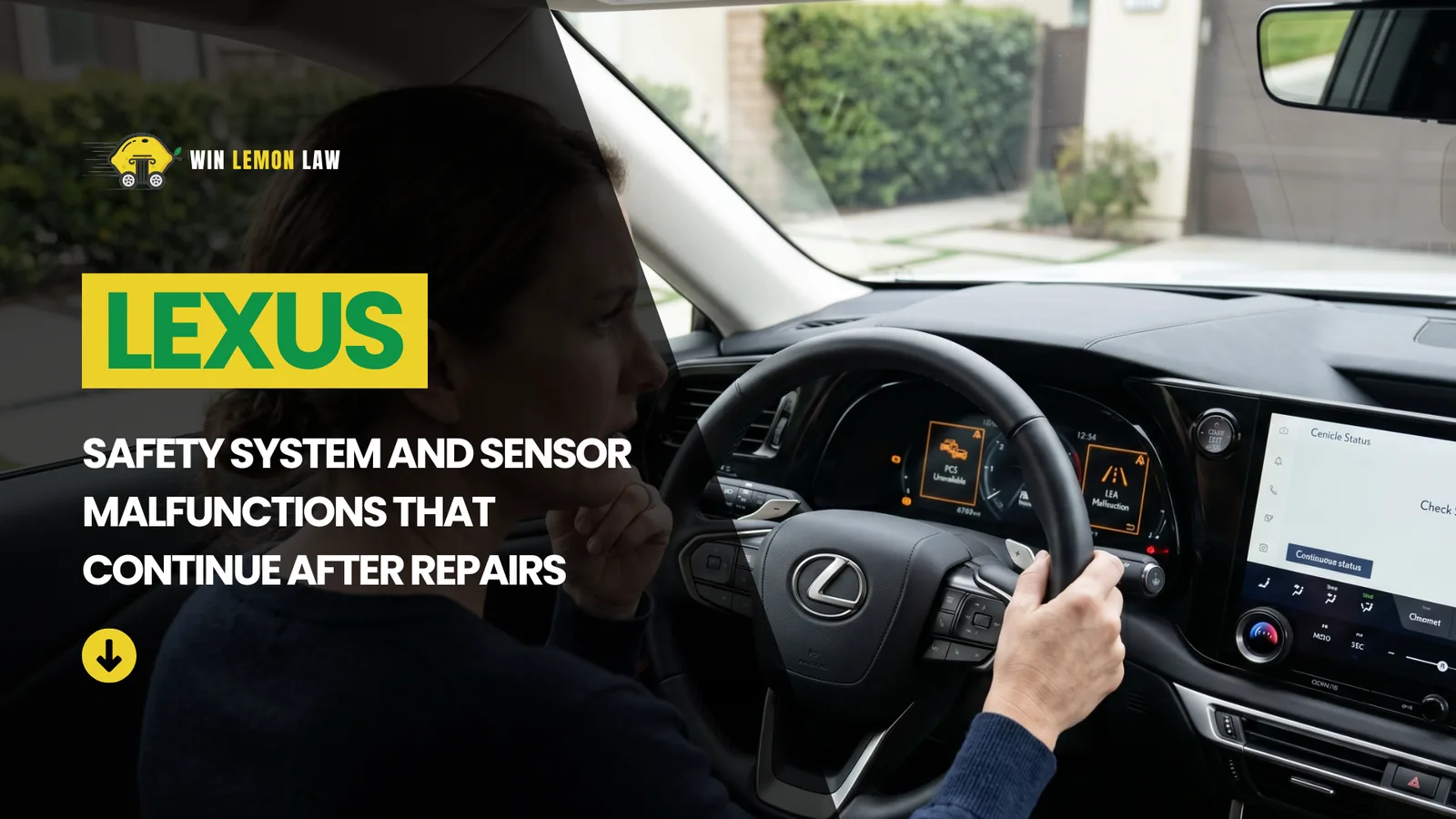
Many California drivers are surprised to learn how frequently newer vehicles develop serious and recurring problems. Cars that are only months old sometimes experience repeated warning lights, software failures, electrical issues, or safety concerns that send owners back to the dealership again and again. While some problems are minor, others interfere with daily driving, reliability, and safety.
This pattern has led to a noticeable increase in lemon law claims across California. Owners often ask the same question. Why do so many modern vehicles seem to have ongoing defects, and when do those problems cross the line into lemon law territory?
Understanding the difference between ordinary vehicle issues and legally significant defects is essential. California lemon law exists to protect consumers when a manufacturer fails to fix a vehicle within a reasonable number of attempts. As vehicle technology becomes more complex, the line between inconvenience and legal violation has become increasingly important.
Why Vehicle Defects Appear More Common Today
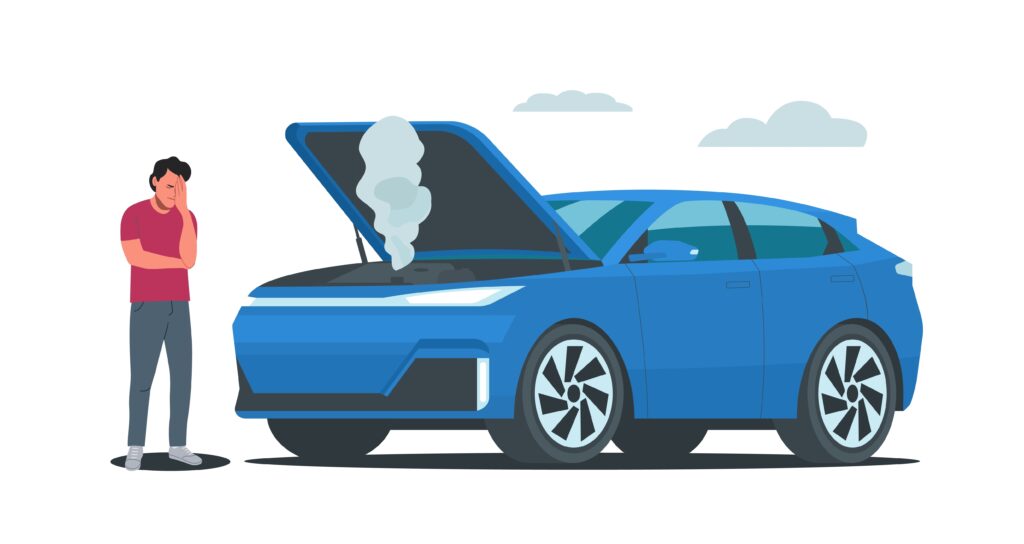
Modern vehicles rely heavily on advanced electronics, software systems, and integrated components. Features that were once mechanical are now controlled by sensors, modules, and computer systems that must work together seamlessly.
When something goes wrong, diagnosing and repairing the problem is often more complicated than replacing a single part. Software updates may temporarily mask symptoms without resolving the underlying issue. Electrical faults can trigger multiple warning systems even when the root cause remains unclear.
The Role of Technology in Modern Vehicle Defects
In electric vehicles and hybrids, battery systems and charging components add another layer of complexity. When these systems malfunction, repairs may involve extended diagnostic periods, parts shortages, or repeated service visits that do not result in a permanent fix.
While innovation has improved efficiency and performance, it has also increased the potential for recurring defects that frustrate owners and strain warranty repair processes.
What California Lemon Law Actually Protects
California lemon law does not apply to every inconvenience or minor defect. The law is designed to address substantial problems that impair a vehicle’s use, value, or safety and that remain unresolved despite reasonable repair attempts.
A vehicle may qualify as a lemon if the manufacturer is unable to fix a defect after multiple attempts or if the vehicle spends an excessive amount of time out of service for warranty repairs. The focus is not on whether a vehicle is popular, expensive, or highly rated. It is on whether the manufacturer has failed to meet its legal obligation to provide a working vehicle under warranty.
Types of Defects Covered Under California Lemon Law
Importantly, lemon law protection applies regardless of whether the defect is mechanical, electrical, or software related. As long as the issue affects the vehicle in a meaningful way and persists despite repair efforts, it may qualify.
Common Types of Defects That Lead to Lemon Law Claims
While every case is unique, certain categories of defects appear frequently in lemon law claims.
Electrical and Electronic System Failures
Electrical system failures are among the most common. These may include dashboard warning lights, malfunctioning displays, battery drain issues, or failures involving safety systems such as airbags or driver assistance features.
Engine and Powertrain Problems
Powertrain problems also remain a major concern. Transmission hesitation, engine stalling, loss of power, or abnormal shifting can significantly impair a vehicle’s reliability and safety.
Electric Vehicle Battery and Charging Defects
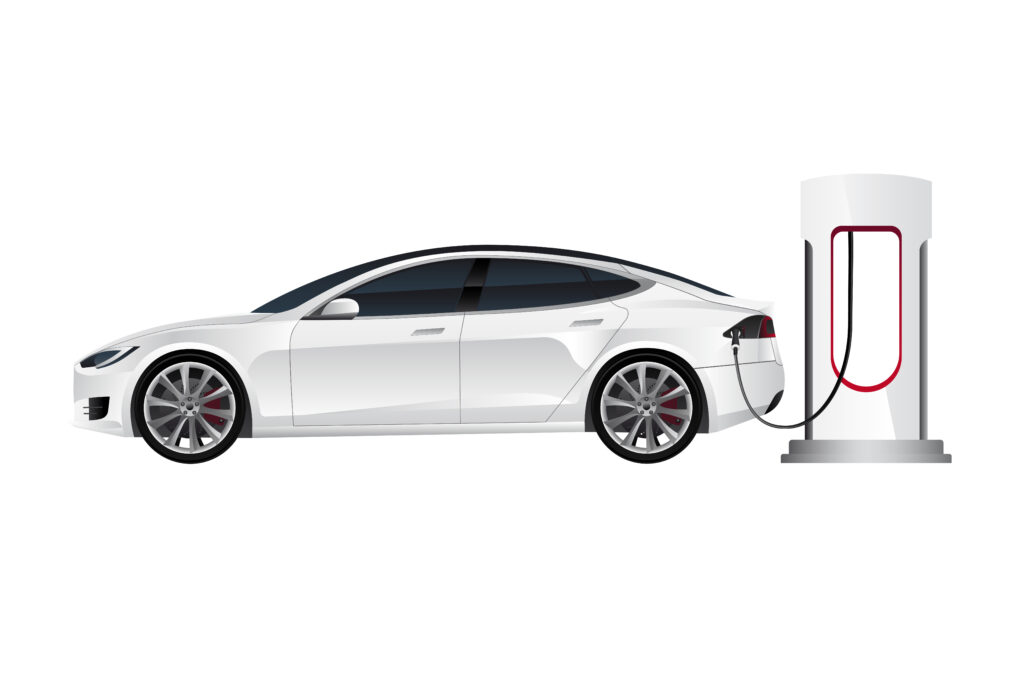
In electric vehicles, battery and charging defects are increasingly common. Owners may experience reduced driving range, charging failures, warning alerts, or extended service visits related to battery diagnostics or replacement.
Software Related Defects and Updates
Software related defects are another growing issue. Over the air updates may cause new problems, fail to correct existing ones, or introduce inconsistent vehicle behavior. These updates still count as repair attempts under California lemon law when they are performed to address a defect.
When a Vehicle Is More Than Just Unreliable
Many consumers assume that lemon law only applies to vehicles that completely stop working. This is not the case. A vehicle does not need to be undrivable to qualify for protection.
Repeated problems that interfere with daily use can be enough. For example, a vehicle that frequently enters reduced power mode, displays persistent warning messages, or requires repeated dealership visits may substantially impair the owner’s experience even if it can still be driven.
Safety Related Defects and Lemon Law Eligibility
Safety concerns are especially important. Issues involving braking systems, steering, power loss, or battery overheating may qualify even with fewer repair attempts. California law recognizes that safety risks do not need to result in accidents to be legally significant.
The key question is whether the defect meaningfully affects the vehicle and whether the manufacturer has failed to fix it within a reasonable timeframe.
Why Recalls Do Not Always Solve the Problem
Many drivers believe that a recall automatically resolves a defect. In reality, recalls often involve inspections, software updates, or limited component replacements that may not provide a permanent solution.
Some recall repairs require multiple follow up visits. Others involve temporary guidance such as charging limitations or operational restrictions while parts are unavailable. These measures may reduce immediate risk but still leave the underlying problem unresolved.
How Recalls Affect California Lemon Law Claims
Under California lemon law, recall repairs are treated the same as warranty repairs. If the defect continues after recall service, the repair attempts still count toward lemon law eligibility. Owners are not required to wait indefinitely simply because a recall exists.
The Importance of Repair Documentation
Documentation is one of the most critical factors in a lemon law case. Each repair visit creates a record that shows the manufacturer was given an opportunity to fix the defect.
Repair orders should clearly describe the problem reported by the owner and the work performed by the dealership. If symptoms return, subsequent repair orders should reflect that the same issue persists.
Why Detailed Records Strengthen Lemon Law Claims
Owners should also keep personal notes about how the defect affects daily driving. This may include warning messages, loss of functionality, safety concerns, or time spent without the vehicle.
Consistent documentation helps establish a pattern that supports a lemon law claim and reduces the likelihood of disputes over repair history.
Why Brand Reputation Does Not Determine Lemon Law Rights
Some consumers hesitate to pursue lemon law claims because they believe certain brands are immune to defects or because their vehicle is marketed as premium or technologically advanced.
California lemon law does not consider brand reputation. A luxury vehicle and an economy vehicle are treated the same under the law. What matters is whether the vehicle meets legal standards for repair and reliability.
In fact, vehicles with advanced technology often experience complex issues that are more difficult to resolve. High end features do not prevent lemon law eligibility. In some cases, they increase the likelihood of recurring problems.
Owners should not assume that frustration is simply part of owning a modern vehicle. When defects persist, legal protections may apply.
Frequently Asked Questions About Lemon Law and Modern Vehicles

Does a vehicle have to break down completely to qualify as a lemon
No. Repeated defects that impair use, value, or safety may qualify even if the vehicle remains operable.
Do software updates count as repair attempts
Yes. Software updates, recalibrations, and system resets performed to address a defect are considered repair attempts under California lemon law.
What if the dealership says the issue is normal
A manufacturer’s explanation does not override the law. If the problem continues and affects the vehicle, it may still qualify.
Can electric vehicles qualify under California lemon law
Yes. Electric vehicles are covered under California lemon law. Battery, charging, and software issues are treated the same as mechanical defects.
How many repair attempts are required
There is no fixed number. The law considers what is reasonable based on the nature of the defect and how it affects the vehicle.
When to Consider Legal Help for a Lemon Law Claim
Many consumers wait too long before seeking guidance. They may continue returning to the dealership hoping the next repair will finally fix the problem.
While patience is understandable, delays can complicate a case. Early review of repair history helps determine whether lemon law protections may apply and whether additional steps are needed to preserve rights.
Legal guidance can also help identify improper repair documentation, mischaracterized issues, or delays that unfairly extend the process.
How Win Lemon Law Helps California Vehicle Owners
At Win Lemon Law, we focus exclusively on representing California consumers in lemon law cases. We understand how manufacturers document repairs, how recurring defects are evaluated, and how modern vehicle technology affects these claims.
Our team reviews repair records, identifies qualifying defect patterns, and handles all communication with the manufacturer. We pursue refunds, replacements, or cash compensation when vehicles meet lemon law criteria.
California law requires manufacturers to pay attorney fees and costs in successful cases. This allows consumers to seek help without added financial burden.
Whether the issue involves a gas vehicle, hybrid, or electric vehicle, our goal is to ensure that the law is applied fairly and that consumers receive the relief they are entitled to.
Do Not Accept Ongoing Defects as Normal
Modern vehicles are complex, but ongoing problems are not something owners must simply accept. Repeated repair visits, unresolved warnings, and safety concerns are signals that something may be wrong.
California lemon law exists to protect consumers when manufacturers fail to fix defects within a reasonable timeframe. Understanding your rights can make the difference between continued frustration and meaningful resolution.
Contact Win Lemon Law for a Free Case Evaluation
If your vehicle continues to experience recurring defects or extended time in the shop, you may have rights under California lemon law.
The experienced attorneys at Win Lemon Law can review your situation, explain your options, and help determine whether your vehicle qualifies for legal relief.
Contact Win Lemon Law today for a free, no obligation case evaluation.
Think you have a lemon?
Get a free case review — we only get paid if you win.
Related articles
What Happens After a Manufacturer Agrees to a Lemon Law Buyback in California Including Electric Vehicles
When a vehicle manufacturer agrees to repurchase a defective vehicle under California lemon law, many consumers feel an immediate sense
Read more January 22, 2026Why Manufacturers Push Back on Lemon Law Claims and How California Consumers Can Respond
When California vehicle owners file a lemon law claim, many expect the process to be straightforward. After all, the law
Read more January 20, 2026Recall Alert: Fire Risk Linked to High-Voltage Battery Defects in Certain 2023–2024 Volkswagen ID.4 Vehicles
Volkswagen has announced a safety recall affecting a limited number of 2023 and 2024 ID.4 electric vehicles due to a
Read more