Recall Alert: Fire Risk Linked to High-Voltage Battery Defects in Certain 2023–2024 Volkswagen ID.4 Vehicles
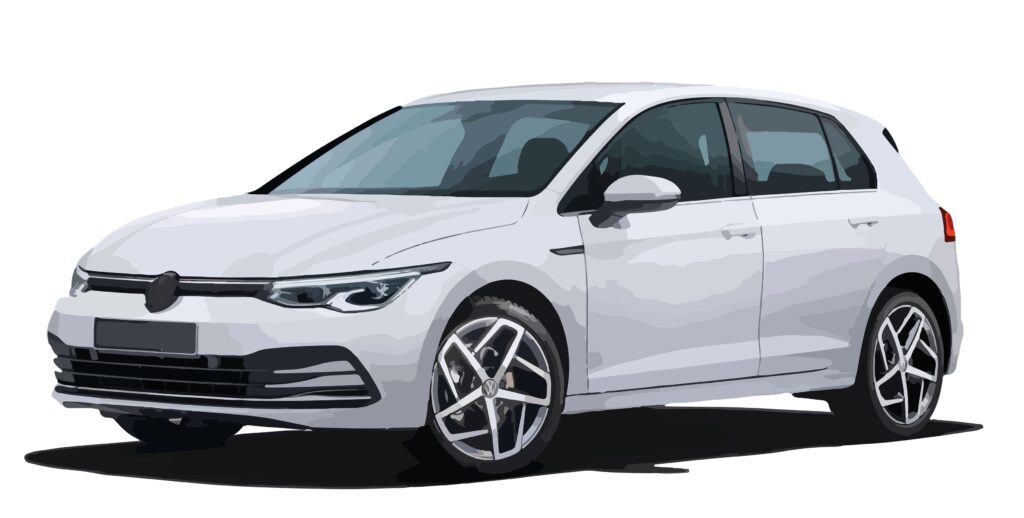
Volkswagen has announced a safety recall affecting a limited number of 2023 and 2024 ID.4 electric vehicles due to a defect involving the high-voltage battery system. According to the manufacturer, the issue may increase the risk of overheating, which in rare circumstances could lead to smoke or fire. While recalls are intended to address safety concerns, they also raise important questions for California vehicle owners, particularly when defects involve critical systems like electric vehicle batteries.
For many owners, a recall does not resolve the problem as quickly or as completely as expected. Some vehicles experience repeat service visits, ongoing warnings, or operational limitations even after recall-related inspections or repairs. When safety-related defects continue despite manufacturer intervention, California lemon law may provide additional protection.
Understanding what this recall means, how it may affect your vehicle, and when repeated recall-related issues cross into lemon law territory is essential for protecting both your safety and your legal rights.
What the Volkswagen ID.4 Battery Recall Involves
The recall applies to a specific group of 2023 and 2024 Volkswagen ID.4 electric SUVs equipped with high-voltage battery modules that may have been manufactured with internal alignment defects. These defects can interfere with normal battery operation, increasing the risk of excessive heat buildup within the battery cells.
In electric vehicles, battery systems are tightly integrated with charging, propulsion, thermal management, and safety controls. When battery components do not function as intended, the effects can extend well beyond range or performance issues. Overheating within a battery system presents a serious safety concern, particularly when a vehicle is charging, parked in enclosed spaces, or operating under load.
Volkswagen has stated that the defect originated during battery cell production and may affect a relatively small number of vehicles. Even so, the seriousness of the potential risk prompted a formal safety recall and owner notifications.
Why High-Voltage Battery Defects Are Especially Serious
High-voltage battery systems are the core of any electric vehicle. Unlike traditional mechanical issues, battery defects can impact multiple systems simultaneously and often present unpredictably.
Owners may experience warning messages, charging interruptions, reduced performance, or thermal management alerts before a more serious event occurs. In some cases, symptoms may be intermittent, making them difficult to diagnose or replicate during a short dealership visit.
Battery-related defects also raise concerns beyond drivability. Fire risks, even when rare, pose threats to personal safety, nearby property, and garages or charging areas. Because electric vehicle batteries operate at high energy levels, manufacturers and regulators treat these defects with heightened caution.
For owners, the uncertainty surrounding battery behavior can be stressful, especially when a vehicle is relied upon for daily transportation.
What Volkswagen Has Advised Owners to Do

Until recall inspections and repairs are completed, Volkswagen has issued precautionary guidance to reduce potential risk. Owners may be advised to take steps such as limiting battery charge levels, avoiding certain charging methods, or parking vehicles away from enclosed spaces after charging.
While these recommendations are intended to improve safety, they can also significantly affect how an owner uses their vehicle. Restrictions on charging or parking can interfere with daily routines, commuting, and long-term ownership expectations.
From a legal perspective, temporary workarounds do not eliminate manufacturer responsibility if a defect continues to impair the vehicle’s use, value, or safety.
How Recall Repairs Are Typically Handled
Recall repairs are performed at authorized dealerships and are completed at no cost to the owner. In this case, Volkswagen dealerships may inspect the battery system and replace affected components if necessary.
However, recall repairs are not always immediate. Parts availability, diagnostic procedures, and scheduling delays can extend the amount of time a vehicle remains in service. Some owners may experience follow-up visits if initial repairs do not fully address the issue or if additional software updates are required.
Importantly, a recall repair does not automatically guarantee that a defect has been permanently resolved. When problems continue after recall service, owners may find themselves returning to the dealership multiple times for the same underlying concern.
Does a Battery Recall Automatically Make the Vehicle a Lemon?
A recall by itself does not automatically make a vehicle a lemon under California law. Lemon law protection depends on whether a defect substantially impairs the vehicle and whether the manufacturer fails to fix it after a reasonable number of attempts.
That said, recall-related defects often overlap with lemon law claims when repairs do not result in a lasting solution. If an owner experiences repeated battery warnings, charging failures, performance limitations, or extended time out of service related to the same issue, those factors may support a lemon law case.
California lemon law focuses on outcomes, not intentions. Even if a manufacturer acts in good faith by issuing a recall, continued failure to repair the defect can still trigger legal liability.
When Recall-Related Problems Become Lemon Law Issues
Recall-related defects can strengthen a lemon law claim when they lead to repeated unsuccessful repair attempts or excessive time in the shop. Each visit to address the same battery-related issue generally counts as a repair attempt under the law.
California lemon law does not distinguish between recall repairs and warranty repairs. What matters is whether the manufacturer was given a reasonable opportunity to fix the defect and failed to do so.
Additionally, vehicles that are out of service for 30 or more cumulative days due to warranty or recall repairs may qualify even if no single issue was repaired repeatedly.
For electric vehicles, battery-related defects often involve extended diagnostic periods, part delays, or safety-related holds, which can quickly add to time out of service.
Why Documentation Is Essential in Recall-Based Cases
Proper documentation is critical when dealing with recall-related defects. Owners should retain every repair order, service invoice, and dealership record related to the battery issue.
Each document should clearly describe the owner’s complaint, the symptoms experienced, and the actions taken by the dealership. If the problem returns, it is important that subsequent repair orders reflect that the issue persists despite prior repairs.
Owners should also keep personal records describing how the defect affects daily use. This may include notes about charging interruptions, warning messages, reduced range, or safety concerns.
The more complete and consistent the documentation, the stronger the foundation for a lemon law claim if one becomes necessary.
Common Misunderstandings About Recalls and Lemon Law
Many owners believe that once a recall is issued, they must wait indefinitely for the manufacturer to resolve the issue. Others assume that participating in a recall prevents them from pursuing lemon law relief.
Neither assumption is correct. California law does not require owners to tolerate ongoing defects simply because a recall exists. Nor does participating in recall repairs waive lemon law rights.
Another common misconception is that a defect must cause a complete vehicle failure to qualify. In reality, ongoing safety risks, operational limitations, or repeated warnings may be sufficient when they impair the vehicle’s use or reliability.
Frequently Asked Questions About Battery Recalls and Lemon Law
Can I pursue a lemon law claim if my vehicle is still waiting for recall repairs?
In some cases, yes. Extended delays, safety-related restrictions, or repeated service visits may support a claim even before a final repair is completed.
Do software updates related to the recall count as repair attempts?
Yes. Software updates, recalibrations, and diagnostic resets are considered repair attempts under California lemon law.
What if the dealership says the vehicle is “safe to drive”?
A statement that a vehicle is operable does not eliminate lemon law protections if the defect continues to impair use, value, or safety.
Does it matter if the recall affects only a small number of vehicles?
No. Lemon law eligibility is based on your vehicle’s repair history and condition, not the size of the recall.
Why Battery-Related Lemon Law Claims Can Be Strong
Battery defects often produce clear patterns of repeated repair attempts, safety concerns, and time out of service. These factors make such cases difficult for manufacturers to dismiss once properly documented.
Because electric vehicles rely so heavily on battery systems, unresolved battery issues tend to affect multiple aspects of vehicle operation. This can strengthen the argument that the defect substantially impairs the vehicle.
California law does not require consumers to accept trial-and-error fixes or indefinite restrictions on vehicle use.
How Win Lemon Law Assists Owners Facing Recall-Related Issues
At Win Lemon Law, we help California consumers navigate lemon law claims involving recalls, battery defects, and other complex vehicle issues. We understand how manufacturers document recall repairs and how these records are evaluated under the law.
Our team reviews your service history, identifies qualifying repair patterns, and determines whether your vehicle meets the legal standard for lemon law relief. We handle all communication with the manufacturer and pursue refunds, replacements, or cash compensation as appropriate.
California lemon law requires manufacturers to pay the consumer’s attorney’s fees and costs when a case is successful. This allows owners to pursue their rights without financial risk.
Do Not Ignore Ongoing Battery Defects
Battery-related recalls are serious, and unresolved issues should never be ignored. Continued warnings, charging limitations, or repeated dealership visits are not simply inconveniences, they may signal that the defect has not been properly resolved.
When safety, reliability, and long-term value are affected, California law provides protections beyond recall repairs alone.
Contact Win Lemon Law for a Free Case Evaluation
If you own a 2023 or 2024 Volkswagen ID.4 affected by a high-voltage battery recall and continue to experience unresolved issues, you may have legal options beyond repeated dealership visits.
The experienced California lemon law attorneys at Win Lemon Law can review your repair records, explain your rights, and help you determine the best path forward.
You deserve a vehicle that performs safely and reliably, or fair compensation when it does not.
Contact Win Lemon Law today for a free, no-obligation case evaluation.
Think you have a lemon?
Get a free case review — we only get paid if you win.
Related articles
Audi Software Updates That Fail to Fix Drivability Problems: How California Owners Can Document Repeat Repairs for a Lemon Law Claim
Modern Audi vehicles rely heavily on advanced computer software to control nearly every driving function, from engine performance and…
Read more November 25, 2025California’s New Lemon Law Procedures: What Drivers Need to Know in 2025 and Beyond
California has long been known for having some of the strongest legal protections in the country for consumers dealing with
Read more November 12, 2025Essential Records You Need to Win Your California Lemon Law Case
In California lemon law cases, strong documentation is often the deciding factor between winning and losing. One missing repair order,
Read more