What Happens After a Manufacturer Agrees to a Lemon Law Buyback in California Including Electric Vehicles
When a vehicle manufacturer agrees to repurchase a defective vehicle under California lemon law, many consumers feel an immediate sense of relief. After repeated repair visits, missed time at work, and ongoing uncertainty, a buyback offer feels like progress. Still, approval alone does not end the process. Several important steps follow, and those steps determine how compensation is calculated, how loans or leases are resolved, and when the vehicle officially leaves your ownership.
As electric vehicles become more common in California, buybacks increasingly involve battery systems, charging issues, and software related defects. These cases often require additional documentation and can take longer to complete than traditional vehicle buybacks. Understanding what happens after a buyback agreement helps consumers avoid confusion, identify delays early, and ensure the final outcome reflects what the law requires.
What a Lemon Law Buyback Means in California
A lemon law buyback means the manufacturer has accepted responsibility for a vehicle that could not be repaired within a reasonable number of attempts under warranty. California law requires manufacturers to provide restitution when a vehicle continues to suffer from defects that impair its use, value, or safety.
A buyback is not a courtesy or a special exception. It is a legal remedy based on repair history and the manufacturer’s failure to provide a lasting fix. Once a buyback is approved, the manufacturer must follow specific rules regarding payment, deductions, and transfer of ownership.
These obligations apply to all vehicles sold or leased in California, including gasoline vehicles, hybrids, and electric vehicles.
Settlement Documents and Buyback Paperwork
After approval, the manufacturer prepares settlement paperwork that outlines how the buyback will be completed. These documents describe the compensation amount, any deductions applied, and the steps required to finalize payment and vehicle return.
This paperwork should be reviewed carefully. Errors can occur when mileage is recorded incorrectly, repair timelines are misunderstood, or reimbursable expenses are left out. Once documents are signed, correcting mistakes becomes more difficult.
The agreement should reflect your actual repair history and comply with California lemon law formulas. It should not include unnecessary waivers or overly broad language unrelated to resolving the lemon law claim.
How Buyback Compensation Is Calculated
California lemon law establishes how buyback compensation must be calculated. Manufacturers are generally required to reimburse the purchase price or lease payments made, along with sales tax, registration fees, and required government charges.
Consumers may also be entitled to reimbursement for certain out of pocket costs tied to the defect. These can include towing, rental transportation, or other reasonable expenses caused by the vehicle’s unreliability.
The primary deduction allowed is the usage offset. This amount is based on the miles driven before the first repair attempt related to the qualifying defect. It is not based on total mileage and should not be adjusted for miles driven later in the process.
In electric vehicle cases, manufacturers sometimes attempt to apply improper deductions tied to charging usage or post repair driving. These adjustments are not automatically valid and must align with California law.
How Long the Buyback Process Usually Takes
After settlement documents are finalized, the manufacturer begins internal processing. This stage includes payment authorization, lender coordination, and scheduling the vehicle return.
Some buybacks are completed within a few weeks, while others take longer due to lien verification, administrative delays, or third party logistics. Electric vehicle buybacks often take additional time because battery systems, software records, or open recalls require extra review.
Some waiting is normal. Extended or unexplained delays are not. California lemon law is designed to provide resolution, not indefinite waiting.
What Happens to Loans and Leases
If the vehicle is financed, the manufacturer typically pays the lender directly to satisfy the remaining loan balance. Any remaining funds after payoff are issued to the consumer.
For leased vehicles, the manufacturer works with the leasing company to terminate the lease and reimburse qualifying payments. This often includes taxes and fees already paid.
Consumers are usually advised to continue making payments until the transaction is complete unless they receive clear guidance otherwise. Stopping payments early can create avoidable complications.
Once the buyback is finalized, the loan or lease obligation ends.
Returning the Vehicle and Transferring Ownership
The buyback process includes a formal surrender of the vehicle. This typically takes place at an authorized dealership or designated return location.
Consumers should remove personal belongings and return all items originally provided with the vehicle. For electric vehicles, this usually includes charging cables and adapters supplied at delivery.
The vehicle is inspected, but ordinary wear from normal use should not affect the buyback. Documentation confirming surrender should be provided and kept for your records.
Ownership transfers back to the manufacturer once surrender is complete.
Using the Vehicle While the Buyback Is Pending
Many consumers continue using their vehicle while the buyback is in progress because they still need transportation. This is generally allowed.
However, if the defect involves safety concerns such as power loss, stalling, braking issues, or battery warnings, continued driving should be approached carefully. In these situations, documenting warning messages and service visits becomes especially important.
Mileage accrued after the first repair attempt should not automatically affect the usage deduction. Disputes over this issue are common and should be addressed promptly.
Buyback Versus Replacement Vehicle
Manufacturers sometimes offer a replacement vehicle instead of a repurchase. A replacement involves providing a comparable vehicle rather than financial compensation.
For some consumers, replacement may seem appealing. Others prefer a buyback because it allows them to choose a different vehicle or manufacturer entirely. This is particularly common among electric vehicle owners who experienced repeated battery or software problems.
Replacement decisions can involve new financing terms, registration updates, and insurance changes. Understanding the long term implications of each option is important before agreeing.
Why Electric Vehicle Buybacks Are Becoming More Common
Electric vehicles rely heavily on battery systems and integrated software. When problems arise, repairs often involve updates or component replacements that do not always provide lasting results.
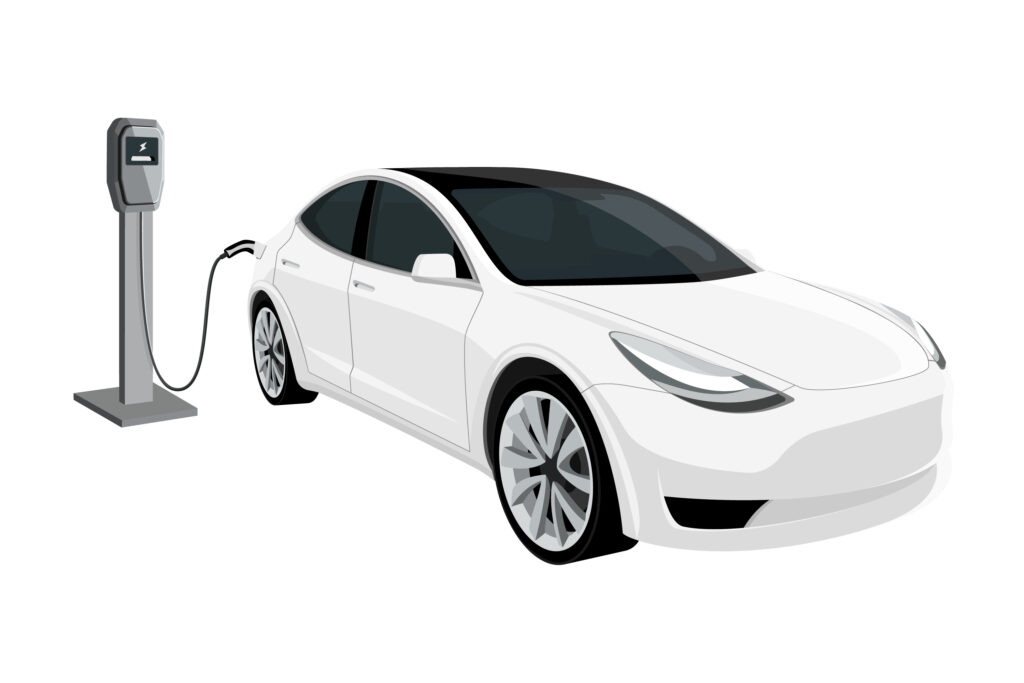
Common EV issues include charging failures, battery degradation, warning alerts, reduced driving range, and extended service visits. These problems frequently lead to repeated repair attempts and long periods out of service.
California lemon law treats software repairs and battery work the same as mechanical repairs. When these issues persist, EVs often meet the legal standard for buyback eligibility.
As EV adoption grows across California, buybacks involving electric vehicles have become increasingly common.
EV Specific Considerations After Buyback Approval
Electric vehicle buybacks often involve additional considerations that do not apply to traditional vehicles.
Many EVs are linked to mobile applications and software accounts. Before surrendering the vehicle, consumers should disconnect accounts and remove stored personal data.
Charging equipment can also create confusion. Manufacturer supplied charging cables are usually returned with the vehicle. Privately purchased home charging units are typically not surrendered, though charging related defects may still matter for documentation.
Incentives and rebates can affect expectations. State or federal credits applied at purchase do not automatically eliminate lemon law rights, but they can influence how consumers interpret final compensation figures.
Frequently Asked Questions About Lemon Law Buybacks
Do I have to accept a buyback once it is offered?
In most cases, consumers have the right to review the offer and understand the terms before agreeing. A buyback should comply with California law and reflect accurate calculations.
Can the manufacturer change the buyback amount later?
Manufacturers should not change agreed terms without justification. If new information arises, it should be reviewed carefully before accepting any revision.
What if my vehicle is still waiting on parts?
Extended delays due to parts shortages can strengthen a lemon law claim and may affect timing, but they do not remove the manufacturer’s obligation to complete the buyback.
Will a buyback affect my credit?
When handled properly, a buyback should not harm your credit. Loan or lease obligations are resolved as part of the process.
Can electric vehicle software updates count as repair attempts?
Yes. Software updates, recalibrations, and system resets are considered repair attempts under California lemon law.
Common Issues After Buyback Approval
Even after approval, disputes can arise. These may involve delayed payments, incorrect deductions, missing reimbursements, or lender coordination issues.
Electric vehicle cases may also encounter delays tied to battery inspections or recall procedures. California lemon law protections continue through the completion of the buyback, not just until approval.
Consumers are not required to accept incorrect calculations or unreasonable delays.
How Win Lemon Law Helps After a Buyback Is Approved
At Win Lemon Law, representation continues through the final stages of the buyback process. We review settlement documents, verify compensation calculations, coordinate lender payoffs, and ensure surrender procedures comply with California law.
For electric vehicle cases, we examine battery and software repair histories closely and address improper deductions or delays tied to EV specific issues.
California lemon law requires manufacturers to pay attorney fees and costs in successful cases, allowing consumers to pursue resolution without added financial burden.
Contact Win Lemon Law for Help With a California Lemon Law Buyback
If a manufacturer has agreed to repurchase your vehicle or you are currently navigating the buyback process, understanding what happens next can protect your outcome.
The experienced California lemon law attorneys at Win Lemon Law can review your documents, confirm compliance with the law, and guide you through the final steps for both traditional and electric vehicles.
Contact Win Lemon Law today for a free case evaluation.
Think you have a lemon?
Get a free case review — we only get paid if you win.
Related articles
Why Manufacturers Push Back on Lemon Law Claims and How California Consumers Can Respond
When California vehicle owners file a lemon law claim, many expect the process to be straightforward. After all, the law
Read more January 20, 2026Recall Alert: Fire Risk Linked to High-Voltage Battery Defects in Certain 2023–2024 Volkswagen ID.4 Vehicles
Volkswagen has announced a safety recall affecting a limited number of 2023 and 2024 ID.4 electric vehicles due to a
Read more December 10, 2025Audi Software Updates That Fail to Fix Drivability Problems: How California Owners Can Document Repeat Repairs for a Lemon Law Claim
Modern Audi vehicles rely heavily on advanced computer software to control nearly every driving function, from engine performance and…
Read more