Tesla Software Updates That Create New Defects and Lemon Law Implications
Tesla vehicles are widely recognized for their advanced technology and unique approach to vehicle software. Unlike many traditional automakers, Tesla frequently delivers updates directly to vehicles through over the air software installations. These updates are designed to improve performance, introduce new features, and fix existing bugs without requiring a visit to a dealership.
For many drivers, these updates are convenient and beneficial. However, some Tesla owners report a different experience. In certain situations, software updates that are intended to improve the vehicle can introduce new problems that were not present before. Owners may notice unexpected changes in vehicle behavior, new warning alerts, or systems that stop working correctly after an update.
When a software update creates a new defect or fails to fix an existing one, the issue can quickly become frustrating. In California, these situations may raise important questions about consumer rights under lemon law. Understanding how Tesla software updates interact with warranty obligations and lemon law protections can help owners determine whether their situation qualifies for relief.
How Tesla Software Updates Work

Tesla vehicles rely heavily on software to control a wide range of functions. Features such as navigation, infotainment systems, safety alerts, battery management, driver assistance systems, and even some aspects of vehicle performance are managed through software programs.
Instead of requiring physical service appointments for many improvements, Tesla delivers updates remotely through wireless connections. When a new update becomes available, the vehicle downloads and installs it automatically or after driver approval.
These updates may include bug fixes, feature enhancements, performance adjustments, and security improvements. Because Tesla vehicles are designed around software driven architecture, updates are an important part of how the company maintains and improves vehicle functionality.
While this approach allows Tesla to respond quickly to issues, it also means that software changes can significantly alter how a vehicle behaves.
When Software Updates Introduce New Problems
In some cases, Tesla owners report that their vehicles began experiencing problems only after installing a new software update. These issues can vary widely depending on the vehicle model and the specific update.
Some drivers report new warning messages appearing on the dashboard after an update. Others notice that driver assistance features behave differently or become unavailable. In certain situations, owners experience changes in battery performance, charging behavior, or driving range.
Connectivity issues may also appear after updates. Systems that previously worked without issue may suddenly disconnect from mobile devices or fail to load properly. Infotainment screens may freeze, restart, or respond slowly following a software installation.
Because these issues appear only after the update, drivers often suspect that the new software introduced the defect rather than fixing an existing one.
Changes to Vehicle Performance After Updates
Tesla software updates sometimes modify vehicle performance characteristics. These adjustments may affect acceleration behavior, regenerative braking strength, or battery management strategies.
While some performance changes are intended to improve efficiency or safety, drivers occasionally report unexpected results. A vehicle that previously accelerated smoothly may feel different after an update. Regenerative braking behavior may change in ways that affect driving comfort or predictability.
Battery management updates can also influence how the vehicle calculates range or charging capacity. Some owners report noticeable changes in available range following certain updates.
These performance changes do not always indicate a defect. However, when they significantly impair the vehicle’s usability or reliability, they may become relevant under California Lemon Law.
Safety System Changes After Software Updates
Tesla safety systems depend heavily on software to interpret information from cameras and sensors. Updates can modify how these systems operate or how they interpret driving conditions.
Some owners report that driver assistance features such as lane assistance, collision warnings, or adaptive cruise control behave differently after updates. Alerts may appear more frequently or certain features may temporarily become unavailable.
In some cases, warning messages appear stating that safety features are limited or require service. These alerts may disappear temporarily but return later.
When safety related warnings persist after updates or repairs, drivers may become concerned about the reliability of systems designed to assist them while driving.
Why Software Related Defects Can Be Difficult to Diagnose
Software related defects present unique challenges during the repair process. Unlike mechanical failures, software problems may not leave obvious physical evidence.
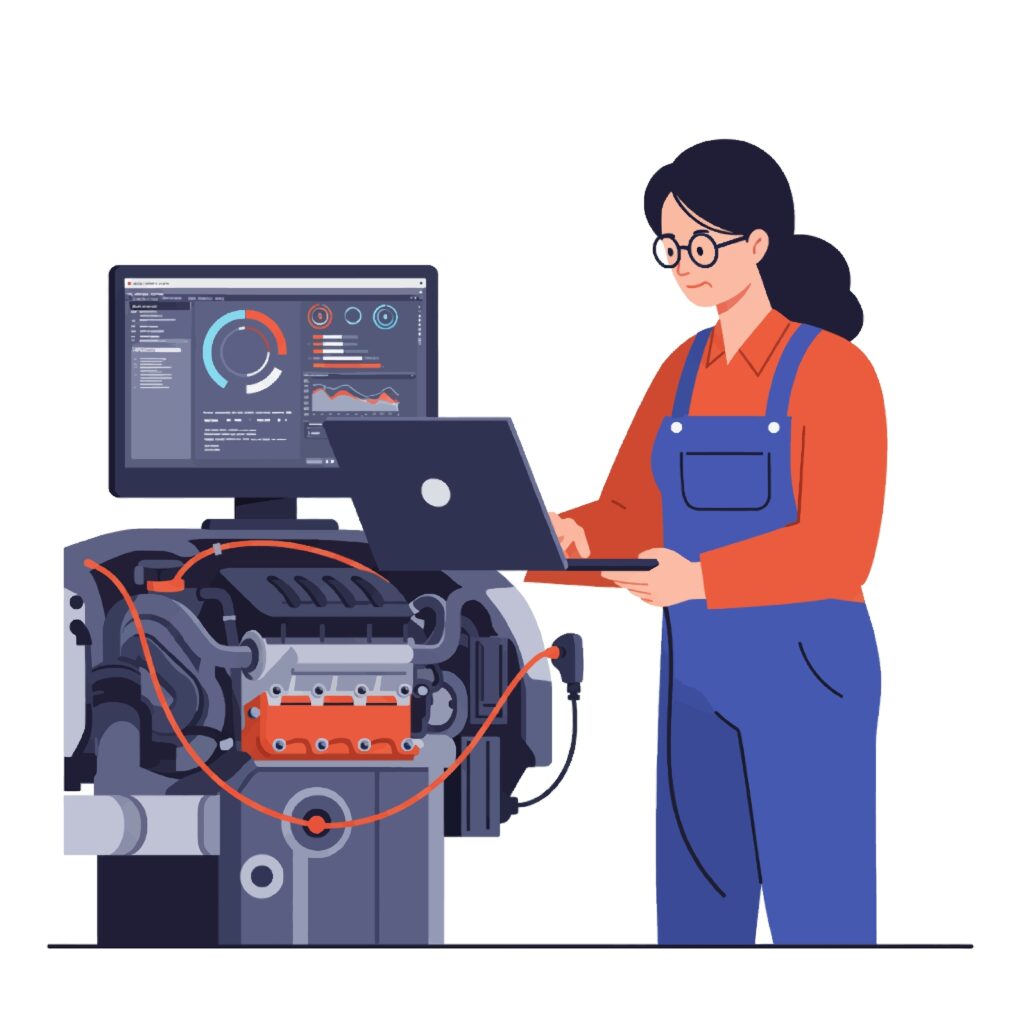
Technicians often rely on system logs and diagnostic tools to identify software issues. If the defect does not produce a clear error code or occurs only under specific conditions, it may be difficult to confirm during testing.
As a result, some Tesla owners are told that the system is operating normally even though the problem continues during daily driving. The issue may appear intermittently, making it harder for service technicians to replicate.
When a defect continues despite updates or inspections, the lack of a clear diagnostic result does not necessarily mean the problem does not exist.
Do Software Updates Count as Repair Attempts
Under California Lemon Law, a repair attempt occurs when the manufacturer or dealership attempts to diagnose or fix a defect covered by the warranty. This includes more than traditional mechanical repairs.
Software updates intended to fix vehicle problems generally count as repair attempts. If a Tesla update is installed to address a warning alert, system malfunction, or performance issue, that update may be considered part of the repair process.
If the same problem continues after multiple updates, those attempts may demonstrate that the manufacturer had an opportunity to correct the defect but did not provide a lasting solution.
The law focuses on whether the manufacturer had a reasonable chance to fix the issue rather than the specific method used.
When Software Updates Fail to Fix Existing Problems
Sometimes Tesla releases software updates specifically intended to address known issues. Owners may be advised that installing the update will resolve a warning alert or system malfunction.
While updates often improve performance, they do not always eliminate the underlying problem. A warning message may disappear temporarily but return later. A system reset may restore functionality briefly before the issue reappears.
When a defect continues despite updates designed to correct it, the repair attempts may contribute to a lemon law claim.
Repeated unsuccessful attempts to fix a problem are one of the key factors considered under California Lemon Law.
Time Out of Service and Software Related Issues
Software problems can also contribute to time out of service if the vehicle must be inspected or repaired at a service center. When owners bring their vehicle in for diagnostics or system updates, the vehicle may remain unavailable for several days.
California Lemon Law considers cumulative time out of service when determining whether a vehicle qualifies as a lemon. If a vehicle spends thirty or more days in the repair shop for warranty related issues, it may qualify even if different problems were addressed during those visits.
Software related defects can contribute significantly to this total if repeated service appointments are required.
Documenting Software Related Defects
Proper documentation is important when dealing with software related issues. Owners should keep copies of service records that describe the problem and the actions taken to address it.
If a software update is installed to fix a defect, the repair order should reflect that the update was applied. Owners may also benefit from documenting warning messages, system errors, or unexpected vehicle behavior with photos or videos.
Maintaining a record of when problems occur and whether they began after a particular update can help establish a pattern.
These records can play an important role in determining whether the manufacturer had a reasonable opportunity to repair the defect.
Manufacturer Responses to Software Defect Complaints
Manufacturers sometimes argue that software updates are improvements rather than repairs. They may also suggest that unexpected behavior is part of the normal evolution of vehicle software.
While updates are common in modern vehicles, they do not eliminate warranty obligations. If a software related defect substantially impairs the vehicle’s use, value, or safety and cannot be fixed after reasonable attempts, lemon law protections may apply.
California Lemon Law does not distinguish between mechanical and software defects when evaluating whether a vehicle qualifies.
When Tesla Software Issues May Qualify Under Lemon Law
Tesla software issues may qualify as lemon law defects when they persist after repeated repair attempts and significantly impair the vehicle’s reliability, safety, or usability.
Examples may include persistent warning alerts, driver assistance failures, infotainment system crashes, or performance problems that appear after updates.
Each case depends on the repair history and the severity of the defect. The key question is whether the manufacturer had a reasonable opportunity to fix the issue and failed to do so.
As vehicles become more software dependent, these types of cases are becoming more common.
How Win Lemon Law Helps Tesla Owners

At Win Lemon Law, we help California consumers address ongoing vehicle defects, including software related issues in Tesla vehicles. Our team understands how manufacturers document software updates and how repeated attempts to resolve problems are recorded.
We review service histories, update records, and owner documentation to identify patterns showing that a defect has not been permanently resolved. When the legal standard is met, we pursue remedies available under California Lemon Law.
Possible outcomes may include a buyback, replacement vehicle, or financial compensation. In successful cases, the manufacturer is generally responsible for paying attorney fees and costs.
Contact Win Lemon Law for Help With Tesla Software Defects
If your Tesla begins experiencing new problems after a software update or continues to display warnings despite multiple updates, you may have rights under California Lemon Law.
The experienced California lemon law attorneys at Win Lemon Law can review your repair history, explain your options clearly, and help determine whether your vehicle qualifies for relief.
Contact Win Lemon Law today for a free case evaluation.
Think you have a lemon?
Get a free case review — we only get paid if you win.
Related articles
Common Manufacturer Tactics Used to Delay Lemon Law Claims and How to Respond
For many California vehicle owners, discovering that a car may qualify as a lemon is only the beginning of a
Read more March 5, 2026Toyota Infotainment and Connectivity Failures in Newer Toyota Models
Toyota has built a long standing reputation for reliability, practicality, and value. For many California drivers, Toyota vehicles are chosen
Read more March 3, 2026What Counts as a Repair Attempt Under California Lemon Law in Modern Vehicles
One of the most common questions California vehicle owners ask when dealing with repeated defects is what actually counts as
Read more