Common Manufacturer Tactics Used to Delay Lemon Law Claims and How to Respond
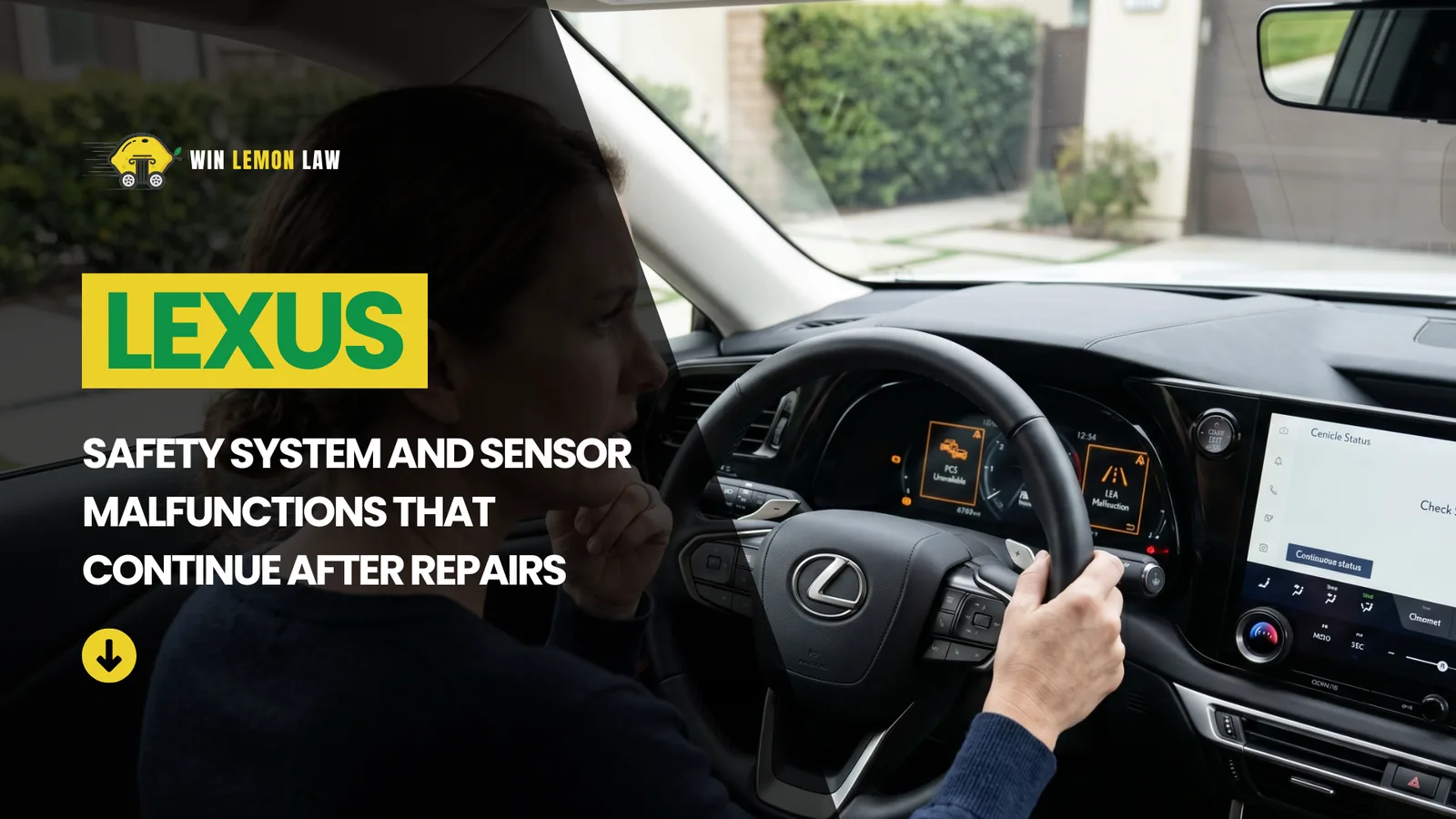
For many California vehicle owners, discovering that a car may qualify as a lemon is only the beginning of a longer and more frustrating process. While California Lemon Law is designed to protect consumers, manufacturers do not always move quickly or transparently once a claim arises. In practice, many owners encounter delays that stretch weeks or even months beyond what they expected.
Manufacturers often rely on procedural tactics, extended reviews, and repeated repair efforts to slow down lemon law claims. These delays can leave consumers uncertain about their rights and unsure whether the manufacturer is acting appropriately. Understanding these tactics is an important step toward protecting yourself and knowing when further action is necessary.
This guide explains some of the most common ways manufacturers delay lemon law claims in California and what vehicle owners can do in response.
Why Manufacturers Delay Lemon Law Claims
From a manufacturer’s perspective, lemon law claims represent significant financial exposure. A buyback or replacement involves repurchasing a vehicle, reimbursing costs, and in many cases paying attorney fees. Because of this, manufacturers often attempt to resolve claims through extended repair efforts or procedural obstacles before agreeing to a legal remedy.
Delays do not always mean a claim is invalid. In many cases, the vehicle already meets the legal standard for lemon law protection. Understanding this distinction can help owners avoid unnecessary frustration and recognize when delays cross into unreasonable territory.
Claiming the Problem Is Normal or Within Design Limits
One of the most common delay tactics is characterizing the defect as normal operation. Manufacturers may argue that hesitation, warning lights, screen malfunctions, or inconsistent system behavior are expected characteristics rather than defects.
Owners may be told that the vehicle is operating as designed or that no repair is required. This response is particularly common with software related issues, intermittent problems, and modern safety systems that rely on sensors and cameras.
Under California Lemon Law, a defect does not need to cause total failure to qualify. If the problem substantially affects use, value, or safety and continues after reasonable repair attempts, it may still support a claim. Repeated assertions that a problem is normal do not eliminate manufacturer responsibility when the defect persists.
Repeating the Same Repairs Without a Lasting Fix
Another frequent tactic is cycling through the same repair process multiple times without resolving the issue. Owners may be sent back to the dealership for software updates, recalibrations, or component inspections that do not change the outcome.
Manufacturers sometimes present these repeated attempts as progress, even when the vehicle continues to experience the same problem. Over time, this can create the impression that a solution is forthcoming, while in reality the defect remains unresolved.
California Lemon Law does not require consumers to accept endless repair attempts. Once a reasonable number of efforts have been made and the defect persists, the manufacturer is required to provide relief.
Delaying With Requests for Additional Documentation
Manufacturers may request additional documents even after receiving complete repair records. These requests can include proof of purchase, registration history, mileage verification, or copies of prior service visits that have already been provided.
While some documentation requests are legitimate, repeated or redundant demands can be used to slow the process. Owners may feel pressured to gather the same information multiple times, creating unnecessary delays.
Maintaining organized records and responding promptly can help reduce these delays. However, excessive documentation requests may indicate an attempt to stall rather than a genuine need for information.
Insisting on Additional Repair Attempts
Manufacturers sometimes insist that owners return to the dealership for further repairs even when multiple attempts have already failed. This is especially common in cases involving intermittent issues, software defects, or safety systems.
Owners may be told that a new update or recalibration is available and must be attempted before a buyback can be considered. While manufacturers are generally entitled to a reasonable opportunity to fix a defect, they are not entitled to unlimited attempts.
When a vehicle has already undergone repeated repairs for the same issue, additional attempts may no longer be reasonable under the law.
Minimizing Software Related Defects
As vehicles become more software dependent, manufacturers increasingly downplay software problems. Owners may be told that software updates are routine improvements rather than repairs, even when they are applied specifically to address defects.
Manufacturers may argue that a new update resolved the issue simply because it was installed, without evaluating whether the vehicle actually performs properly afterward. In some cases, new issues appear after updates, further complicating the situation.
Under California Lemon Law, software updates intended to fix defects count as repair attempts. Software related defects are treated the same as mechanical defects when they impair use, value, or safety.
Disputing Whether the Defect Is Substantial
Another common tactic is disputing whether the problem substantially affects the vehicle. Manufacturers may claim that infotainment failures, warning alerts, or safety system malfunctions are minor inconveniences rather than serious defects.
This argument often arises when a vehicle still runs or when the issue does not occur constantly. However, California law does not require a vehicle to be completely inoperable to qualify as a lemon.
A defect that interferes with daily driving, reduces reliability, or creates safety concerns may still be considered substantial, even if the vehicle remains drivable.
Extending Internal Review Periods
Manufacturers often place claims under internal review, sometimes without providing clear timelines. Owners may be told that the case is under evaluation or awaiting approval from a review committee.
While some internal review is expected, extended or unexplained review periods can be used to delay resolution. During this time, owners may receive limited communication and little clarity about next steps.
California Lemon Law does not allow manufacturers to delay indefinitely. Once the legal standard is met, the manufacturer must act within a reasonable timeframe.
Proposing Partial or Informal Solutions

In some cases, manufacturers offer informal resolutions such as goodwill repairs, extended warranties, or reimbursement for a limited repair. These offers may appear helpful but do not always address the underlying defect.
Accepting such offers without understanding their implications can complicate or delay a lemon law claim. Partial solutions may not resolve the problem permanently and may not satisfy the legal requirements of the law.
Consumers are not required to accept alternatives that fall short of the remedies provided by California Lemon Law.
Delaying Buyback Paperwork After Approval
Even after agreeing in principle to a buyback, manufacturers may delay issuing settlement documents. Owners may experience long waits between approval and paperwork, or encounter repeated revisions to compensation calculations.
Delays at this stage can be frustrating, especially when owners believe the process is nearly complete. While some administrative processing is normal, excessive delays may raise legal concerns.
Once a buyback is approved, manufacturers are expected to complete the process without unnecessary obstruction.
Using Arbitration or Dispute Programs to Slow Progress
Manufacturers may encourage owners to enter arbitration or dispute resolution programs, sometimes presenting them as faster alternatives. While arbitration can be appropriate in some cases, it can also introduce additional delays.
Not all arbitration programs are binding, and some require consumers to restart the process if a resolution is not reached. Owners should understand their rights before agreeing to arbitration.
Participation in arbitration is not always required to pursue lemon law relief in California.
How Time Out of Service Factors Into Delays
Extended time in the repair shop is itself a basis for lemon law eligibility. Manufacturers may attempt to fragment repair visits or minimize downtime to avoid reaching the thirty day threshold.
Owners should track all days the vehicle is unavailable, including waiting for parts, diagnostics, or approval. Even if the defect varies slightly between visits, cumulative time out of service matters.
Accurate records help counter attempts to minimize repair time.
What Owners Can Do When Delays Occur

When faced with delays, owners should remain proactive. Keeping detailed records of every repair visit, communication, and update is essential. Written documentation helps establish timelines and patterns.
Clear communication with the dealership and manufacturer can also help. Asking for written explanations of delays or next steps creates accountability.
Most importantly, understanding that delays do not invalidate a claim can help owners stay focused on their rights rather than the manufacturer’s pace.
When Delays Become Unreasonable Under California Law
California Lemon Law does not define a specific timeline for every case, but it does require manufacturers to act reasonably. Repeated delays without progress, shifting explanations, or refusal to acknowledge repair history may indicate noncompliance.
Courts consider the overall pattern of conduct, not just individual actions. A manufacturer that consistently delays resolution may be acting in bad faith.
How Win Lemon Law Helps When Manufacturers Delay Claims
At Win Lemon Law, we regularly assist California consumers whose claims are stalled by manufacturer tactics. We understand common delay strategies and how to respond effectively under the law.
Our team reviews repair records, communication history, and timelines to determine whether delays are justified or unreasonable. When necessary, we take steps to enforce compliance and pursue appropriate remedies.
California Lemon Law generally requires manufacturers to pay attorney fees and costs in successful cases. This allows consumers to assert their rights without additional financial burden.
Contact Win Lemon Law for Help With Delayed Lemon Law Claims
If your manufacturer continues to delay your lemon law claim through repeated repairs, prolonged reviews, or shifting explanations, you may not need to wait any longer.
The experienced California lemon law attorneys at Win Lemon Law can review your situation, explain your options clearly, and help you pursue the resolution the law provides.
Contact Win Lemon Law today for a free case evaluation.
Think you have a lemon?
Get a free case review — we only get paid if you win.
Related articles
Toyota Infotainment and Connectivity Failures in Newer Toyota Models
Toyota has built a long standing reputation for reliability, practicality, and value. For many California drivers, Toyota vehicles are chosen
Read more March 3, 2026What Counts as a Repair Attempt Under California Lemon Law in Modern Vehicles
One of the most common questions California vehicle owners ask when dealing with repeated defects is what actually counts as
Read more February 26, 2026Lexus Infotainment and Safety System Failures in Newer Lexus Models
The Lexus brand has long been associated with luxury, refinement, and reliability. For many drivers, Lexus delivers smooth performance, premium
Read more