Toyota Infotainment and Connectivity Failures in Newer Toyota Models
Toyota has built a long standing reputation for reliability, practicality, and value. For many California drivers, Toyota vehicles are chosen because they are expected to perform consistently and require fewer repairs over time. In recent years, however, as Toyota has introduced more advanced infotainment and connectivity systems across its lineup, some owners are reporting recurring technology related problems that do not resolve with standard repairs.
Infotainment systems are no longer limited to radio and audio controls. In modern Toyota vehicles, these systems manage navigation, smartphone integration, voice commands, vehicle settings, and in some cases safety related alerts. When infotainment or connectivity systems malfunction, the issue often goes beyond convenience and begins to affect daily usability and driving confidence.
A growing number of owners report that infotainment and connectivity problems return even after dealership visits, software updates, or component replacements. When these issues persist, California Lemon Law may provide protections that many owners are not aware of.
How Infotainment and Connectivity Systems Work in Modern Toyota Vehicles
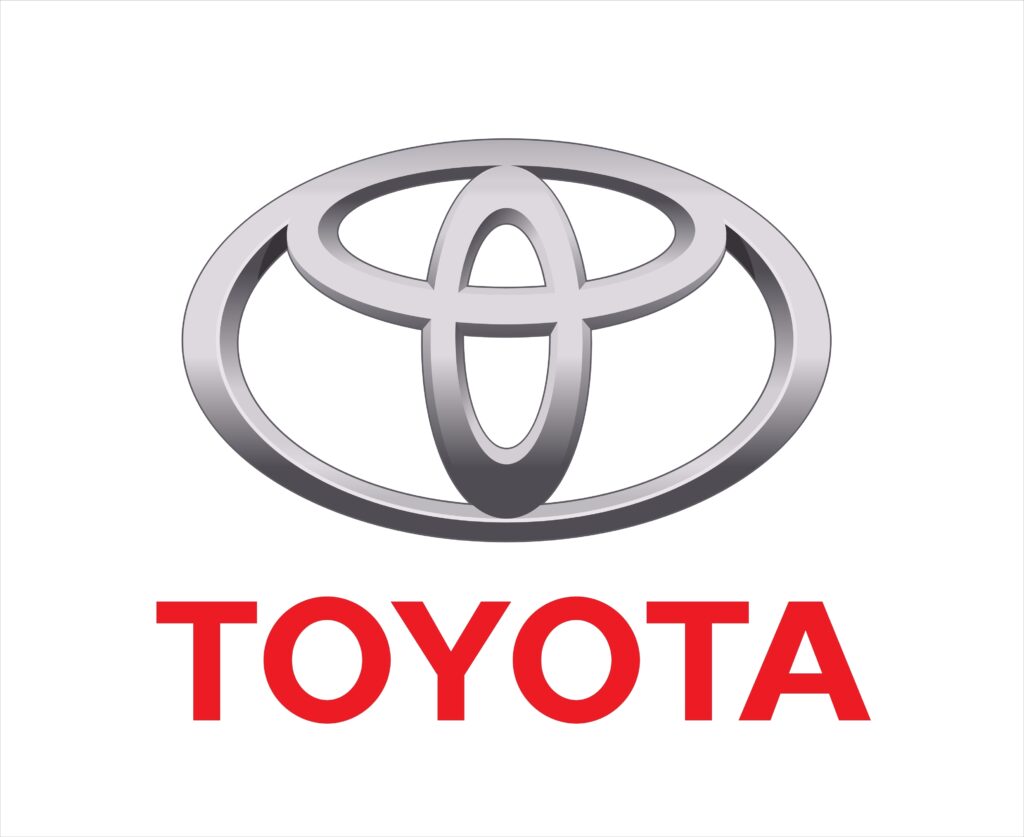
Newer Toyota models rely on integrated infotainment platforms that connect multiple systems into a single interface. Touchscreens, steering wheel controls, microphones, cameras, and wireless communication modules all work together through software.
Connectivity features such as Bluetooth, Apple CarPlay, Android Auto, navigation services, and mobile applications depend on consistent communication between the vehicle and external devices. Any disruption in this communication can lead to system failures that are difficult to diagnose.
Because infotainment systems are software driven, issues may arise from firmware glitches, compatibility conflicts, or internal system errors rather than physical damage. This complexity can make repairs less straightforward than traditional mechanical fixes.
Common Infotainment Problems Reported by Toyota Owners
Toyota owners describe a wide range of infotainment related issues that continue despite service attempts. One of the most common complaints involves touchscreens that freeze, lag, or stop responding entirely. In some cases, the screen may go black and require a vehicle restart to function again.
Audio issues are also frequently reported. Sound may cut out unexpectedly, volume controls may stop working, or audio sources may fail to switch properly. These problems often return even after system resets or updates.
Navigation system errors are another common concern. Owners report inaccurate directions, delayed route updates, or complete loss of navigation functionality. When drivers rely on built in navigation for commuting or travel, these failures can disrupt daily routines.
Voice recognition and command features may also malfunction. Commands may not register correctly or the system may misinterpret instructions. Over time, this reduces the usefulness of hands free controls.
Connectivity Failures That Interfere With Daily Driving
Connectivity issues often extend beyond infotainment and affect how drivers interact with their vehicles. Bluetooth connectivity problems are among the most frequently reported issues. Devices may fail to pair, disconnect unexpectedly, or refuse to reconnect after being paired previously.
Apple CarPlay and Android Auto connectivity failures are also common. Owners report systems that disconnect mid drive, fail to launch, or require repeated plugging and unplugging to function. Wireless connectivity issues may be even more inconsistent.
Mobile app connectivity can also be problematic. Some Toyota owners experience delayed updates, inability to access vehicle status, or failure of remote features. When connectivity issues persist, the vehicle may not function as advertised.
These problems can create distractions while driving and diminish the overall ownership experience.
Why Infotainment and Connectivity Issues Often Return After Repairs
One of the most frustrating aspects of infotainment and connectivity failures is their tendency to return after repairs. Dealerships often address these issues by performing software updates, system resets, or reconfigurations.
While these actions may temporarily improve performance, they do not always correct the underlying issue. In some cases, updates suppress error messages without fixing the cause. In others, new issues appear after updates are installed.
Because these systems are software dependent, problems may not appear during dealership testing. The system may function normally while parked or during short test drives, only to fail under real world conditions.
This leads to repeated service visits where the problem is declared resolved, only to return later.
Intermittent Infotainment Issues and Diagnostic Challenges
Infotainment and connectivity defects are often intermittent. A screen may freeze one day and work normally the next. Bluetooth may disconnect randomly without warning.
Dealerships rely on diagnostic tools that check for error codes. If the system does not log a persistent fault, technicians may be unable to identify the issue. As a result, owners are often told that no problem was found.
Intermittent problems can be just as disruptive as constant failures. When drivers cannot rely on basic functions, the vehicle’s usability and value are affected.
California Lemon Law recognizes that intermittent defects may still qualify when they continue after reasonable repair attempts.
Software Updates and Their Impact on Toyota Infotainment Systems
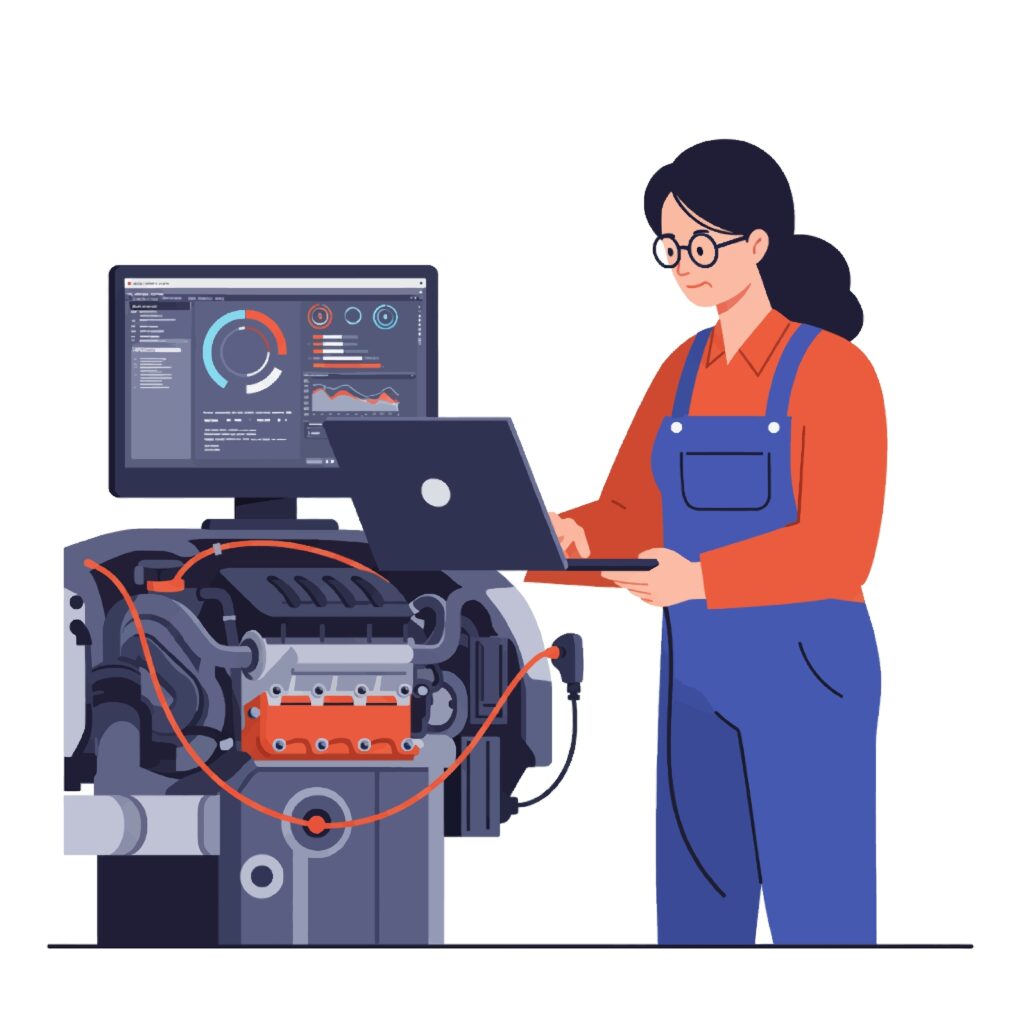
Toyota frequently releases software updates intended to improve infotainment performance, add features, or fix bugs. While updates can be helpful, they also introduce risk.
Some owners report that infotainment problems began only after a software update. Others experience new connectivity issues following an update intended to fix an unrelated problem.
Because infotainment systems are interconnected with other vehicle systems, a change in one area can affect multiple functions. When updates fail to resolve issues or create new ones, repeated attempts may strengthen a lemon law claim.
Under California Lemon Law, software updates performed to address defects count as repair attempts.
When Infotainment Problems Affect Safety and Vehicle Value
Infotainment failures are sometimes dismissed as minor inconveniences. However, these systems often control features that affect driving focus and safety.
Frozen screens, unresponsive controls, or repeated disconnections can distract drivers while attempting to restore functionality. Navigation failures may force drivers to rely on mobile devices, increasing distraction.
Persistent infotainment problems can also reduce the vehicle’s resale value. A vehicle with a malfunctioning infotainment system is less desirable and may be worth less than a comparable model without defects.
When these issues persist, they may substantially impair the vehicle’s use and value under California Lemon Law.
How California Lemon Law Applies to Infotainment and Connectivity Defects
California Lemon Law applies to defects that substantially impair a vehicle’s use, value, or safety and that the manufacturer cannot fix within a reasonable number of attempts.
The law does not distinguish between mechanical and electronic defects. Infotainment and connectivity problems are treated the same as other warranty covered issues.
Repeated attempts to fix infotainment systems, including software updates and diagnostics, count as repair attempts. If the defect persists after reasonable efforts, the vehicle may qualify as a lemon.
Time out of service also matters. Vehicles that spend thirty or more cumulative days in the shop for warranty repairs may qualify even if different issues are addressed.
The Importance of Documentation for Infotainment Cases
Documentation is especially important in infotainment and connectivity cases. Owners should keep copies of every repair order, including those that note only software updates or system checks.
Repair orders should accurately reflect the reported problem. Descriptions such as screen freezes, connectivity drops, or system reboots should be clearly documented.
Owners may also benefit from keeping a personal log of issues, including dates, conditions, and symptoms. Photos or videos of frozen screens or error messages can provide valuable evidence.
Clear documentation helps establish a pattern of unresolved defects.
Manufacturer Responses to Infotainment Complaints
Manufacturers sometimes minimize infotainment complaints by describing them as compatibility issues or user error. While external devices can influence performance, persistent system failures are not always the result of user behavior.
California Lemon Law focuses on whether the vehicle performs as promised, not whether the defect is difficult to diagnose. If the system continues to malfunction despite repairs, the manufacturer may still be responsible.
Owners are not required to accept repeated explanations without resolution.
When Infotainment Defects Become Lemon Law Cases
Infotainment and connectivity defects may qualify as lemon law cases when they persist after multiple repair attempts and significantly interfere with daily use.
Repeated screen failures, ongoing connectivity issues, and system crashes that do not stay fixed can meet the legal standard. The focus is on the pattern of failure and the lack of a lasting solution.
As vehicles rely more heavily on technology, these cases are becoming increasingly common.
How Win Lemon Law Helps Toyota Owners
At Win Lemon Law, we help California consumers address ongoing vehicle defects, including infotainment and connectivity failures in Toyota vehicles. We understand how manufacturers document software related repairs and how these issues are often minimized.
Our team reviews repair histories, identifies patterns, and evaluates whether a vehicle meets the legal standard for lemon law relief. We handle communication with the manufacturer and pursue appropriate remedies under California law.
Possible outcomes may include a buyback, replacement vehicle, or financial compensation. California Lemon Law generally requires manufacturers to pay attorney fees and costs in successful cases.
Contact Win Lemon Law for Help With Toyota Infotainment and Connectivity Issues
If your Toyota continues to experience infotainment or connectivity failures that do not stay fixed, you may have rights under California Lemon Law. You do not have to continue accepting repeated repairs without a lasting solution.
The experienced California lemon law attorneys at Win Lemon Law can review your repair records, explain your options clearly, and help you determine whether your vehicle qualifies for relief.
Contact Win Lemon Law today for a free case evaluation.
Think you have a lemon?
Get a free case review — we only get paid if you win.
Related articles
What Counts as a Repair Attempt Under California Lemon Law in Modern Vehicles
One of the most common questions California vehicle owners ask when dealing with repeated defects is what actually counts as
Read more February 26, 2026Lexus Infotainment and Safety System Failures in Newer Lexus Models
The Lexus brand has long been associated with luxury, refinement, and reliability. For many drivers, Lexus delivers smooth performance, premium
Read more February 24, 2026When Over-the-Air Updates Create New Defects: How California Lemon Law Applies
Modern vehicles are no longer defined solely by mechanical components. Today’s cars and trucks rely heavily on software to control
Read more