Hyundai and Kia Engine Failures That Continue After Dealership Repairs
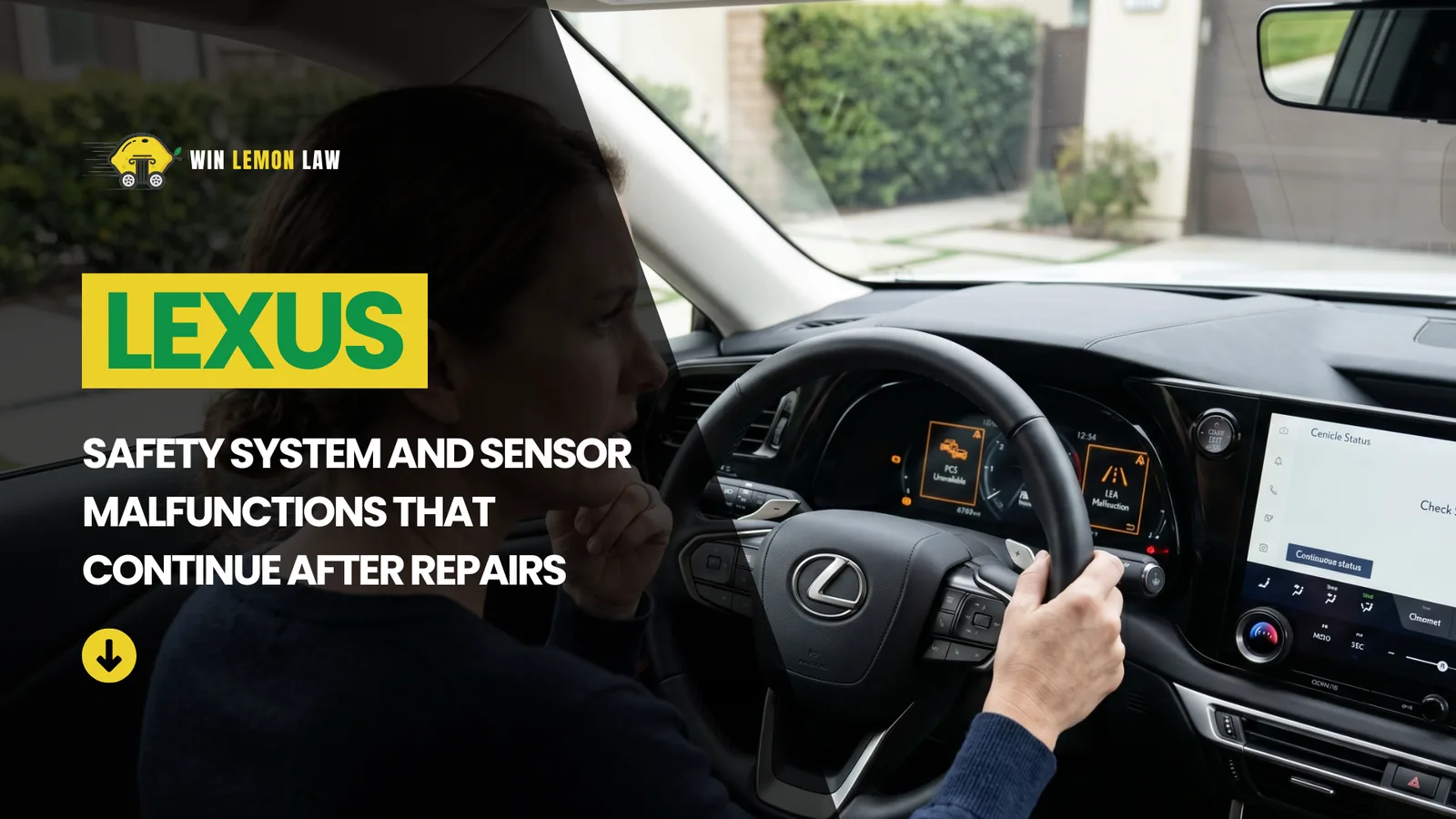
Hyundai and Kia vehicles have grown increasingly popular across California over the past decade. Drivers are often drawn to these vehicles because of their affordability, modern design, long warranty coverage, and wide range of technology features. Models such as the Hyundai Sonata, Hyundai Tucson, Kia Optima, and Kia Sportage have become common sights on California roads.
Despite their popularity, many Hyundai and Kia owners have reported recurring engine problems that persist even after dealership repairs. In some cases, these issues begin with subtle warning signs such as knocking sounds, loss of power, or warning lights appearing on the dashboard. Other drivers report sudden engine failure without much warning at all.
When engine problems return after multiple service visits, owners may begin to question whether the vehicle can ever be fully repaired. These situations can be frustrating and disruptive, especially when the vehicle is relied upon for daily commuting, work, or family transportation. In California, recurring engine defects that cannot be permanently fixed may fall under the protection of Lemon Law.
Understanding the common engine failure patterns reported in Hyundai and Kia vehicles can help drivers recognize when repeated repairs may indicate a deeper manufacturing problem.
Why Engine Problems in Hyundai and Kia Vehicles Have Received Attention
Over the past several years, Hyundai and Kia have faced increased scrutiny related to engine reliability in certain vehicles. Consumer complaints, investigations, and recalls have highlighted recurring issues involving engine wear, oil consumption, and internal component damage.
Many of the concerns have involved engines that develop knocking sounds, metal debris within engine components, or premature wear that leads to major mechanical failure. In some cases, the engine may stall unexpectedly while driving or fail completely.
Because engines are one of the most critical components in any vehicle, defects involving the engine can significantly affect safety, reliability, and long term vehicle value. When these issues appear repeatedly despite repair attempts, they may signal a deeper design or manufacturing problem rather than routine maintenance concerns.
Common Warning Signs Reported by Drivers
Drivers experiencing engine related issues in Hyundai and Kia vehicles often notice warning signs before a complete failure occurs. One of the most frequently reported symptoms is a knocking or ticking sound coming from the engine compartment. This noise may become louder during acceleration or while the engine is under load.
Another common symptom involves sudden loss of power while driving. Drivers may notice that the vehicle struggles to accelerate or feels unusually sluggish compared to normal operation.
Dashboard warning lights may also appear. These warnings can include check engine alerts, oil pressure indicators, or messages indicating that the vehicle requires immediate inspection.
In some situations, drivers report that the vehicle enters a reduced performance mode designed to protect the engine from further damage. While this feature may help prevent catastrophic failure, it can make the vehicle difficult to drive safely.
Why Engine Repairs Sometimes Fail to Provide a Permanent Solution
When drivers bring their vehicles to the dealership with engine complaints, technicians typically begin with diagnostics to identify the cause of the issue. Repairs may include replacing certain engine components, updating engine control software, or performing inspections to determine whether internal damage has occurred.
In some cases, these repairs temporarily improve vehicle performance. However, some drivers report that the same symptoms return after a short period of time. Knocking sounds may reappear, warning lights may return, or the engine may begin losing power again.
This cycle of repair attempts followed by recurring problems can be particularly frustrating. Owners may feel that the issue has never been fully resolved even though the vehicle has been serviced multiple times.
When repairs fail to provide a lasting solution, it raises concerns about whether the defect originates from a deeper design or manufacturing issue within the engine itself.
The Impact of Recurring Engine Defects on Daily Driving
Engine reliability is central to the overall performance and safety of a vehicle. When the engine does not function properly, it can affect nearly every aspect of driving.
Drivers may hesitate to take long trips if they fear the vehicle could stall or lose power unexpectedly. Commuting may become stressful when warning lights appear repeatedly or unusual engine noises return after repairs.
Recurring engine problems can also create financial strain. Even when repairs are covered under warranty, the inconvenience of repeated service visits and time spent without the vehicle can disrupt daily life.
Over time, concerns about reliability may also affect the vehicle’s resale value. A history of repeated engine repairs can make potential buyers hesitant, reducing the vehicle’s market appeal.
Vehicles Commonly Associated With Engine Complaints
Certain Hyundai and Kia models have been more frequently associated with engine related complaints. Vehicles equipped with specific engine designs have drawn attention from both consumers and regulatory agencies.
Models such as the Hyundai Sonata, Hyundai Santa Fe, Kia Optima, and Kia Sorento have appeared in many owner reports involving engine noise, stalling, or premature wear. These complaints often describe similar symptoms across different model years.
Although not every vehicle experiences these problems, the pattern of complaints across multiple models has raised concerns about potential systemic issues.
For drivers who experience repeated engine problems within the warranty period, these patterns may help explain why repairs have not permanently resolved the issue.
How Recurring Engine Problems Can Become a Legal Issue
California Lemon Law is designed to protect consumers who purchase or lease vehicles that cannot be properly repaired under warranty. When a manufacturer is unable to fix a defect after a reasonable number of attempts, the law may require the manufacturer to provide a remedy.
Engine defects are often among the most serious types of problems considered under the law because they directly affect vehicle performance and safety. If a vehicle continues to experience engine related issues despite repeated repair attempts, it may meet the legal standard for relief.
The key factor is whether the defect substantially impairs the vehicle’s use, value, or safety. Persistent engine failures can clearly affect all three of these factors.
Even when the vehicle remains technically drivable, ongoing engine problems may still qualify if they significantly affect reliability.
Why Modern Engine Systems Can Be Difficult to Diagnose
Modern vehicle engines rely on sophisticated electronic control systems that monitor performance in real time. Sensors track variables such as fuel delivery, air intake, temperature, and engine timing.
While this technology improves efficiency and emissions control, it can also make certain defects harder to diagnose. Some engine problems may develop gradually and appear only under specific driving conditions.
For example, internal engine wear may produce occasional knocking sounds that do not appear during a short diagnostic inspection. A sensor malfunction may trigger warnings intermittently rather than constantly.
Because of these complexities, a vehicle may undergo multiple inspections before technicians identify the underlying cause of the problem.
When Repeated Repairs Signal a Larger Problem
When the same engine symptoms return after multiple service visits, it may indicate that the root cause has not been properly addressed. This pattern is often what leads drivers to explore their legal options.
Repeated repair attempts show that the manufacturer has had opportunities to correct the defect but has not provided a lasting solution. Over time, this history can demonstrate that the vehicle may not meet the reliability expectations promised under warranty.
Consumers are not required to tolerate endless repair cycles for the same unresolved defect.
California Lemon Law exists to provide relief when manufacturers cannot permanently fix serious vehicle problems.
How Win Lemon Law Assists Hyundai and Kia Owners

At Win Lemon Law, we represent California drivers who are dealing with vehicles that continue to experience significant defects despite repair attempts. Our team has extensive experience reviewing cases involving engine failures, repeated mechanical issues, and other serious vehicle defects.
We examine repair histories, service records, and the overall pattern of problems affecting the vehicle. This analysis helps determine whether the vehicle meets the legal standard required under California Lemon Law.
When a case qualifies, available remedies may include a vehicle buyback, a replacement vehicle, or financial compensation. The goal is to provide a fair resolution for drivers who have been dealing with an unreliable vehicle.
California Lemon Law generally requires manufacturers to cover attorney fees and legal costs in successful cases, allowing consumers to pursue their rights without additional financial burden.
Contact Win Lemon Law for Help With Hyundai and Kia Engine Problems
If your Hyundai or Kia continues to experience engine problems that return after dealership repairs, you may have rights under California Lemon Law. Recurring engine defects can significantly affect the reliability, safety, and value of your vehicle.
The experienced California Lemon Law attorneys at Win Lemon Law can review your repair history, explain your options clearly, and help determine whether your vehicle qualifies for relief.
Contact Win Lemon Law today for a free case evaluation.
Think you have a lemon?
Get a free case review — we only get paid if you win.
Related articles
What to Do When the Dealership Says “No Issue Found” but the Problem Persists
For many vehicle owners dealing with ongoing mechanical or electronic issues, one of the most frustrating responses they hear from
Read more March 24, 2026Nissan CVT and Electrical Failures That Continue After Dealer Repairs
Nissan vehicles have long been known for affordability, practicality, and widespread availability across California. Models such as the Nissan…
Read more March 19, 2026How Safety System Failures Affect Lemon Law Eligibility in California
Modern vehicles are equipped with a wide range of safety systems designed to protect drivers, passengers, and others on the
Read more