Nissan CVT and Electrical Failures That Continue After Dealer Repairs
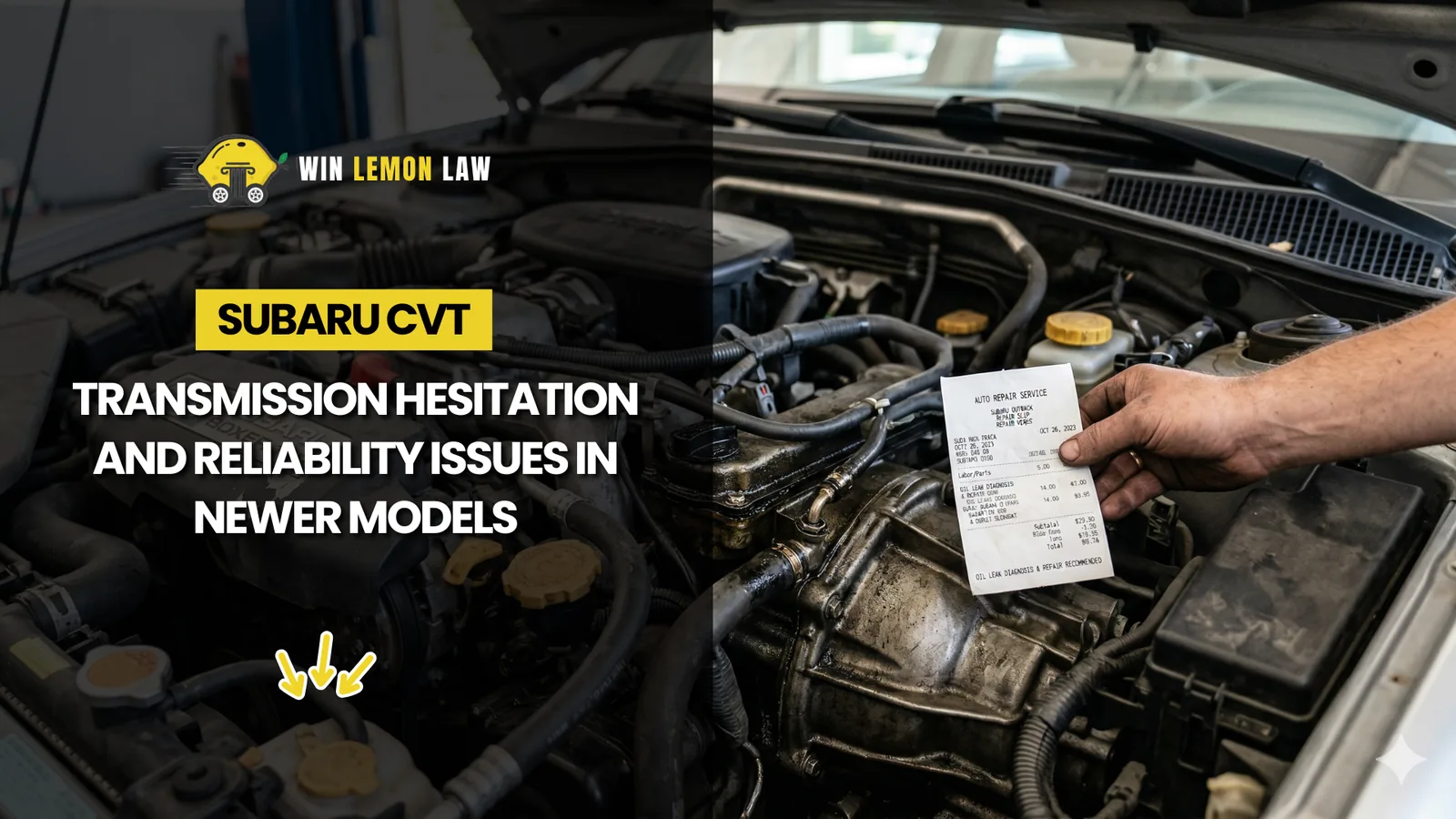
Nissan vehicles have long been known for affordability, practicality, and widespread availability across California. Models such as the Nissan Rogue, Altima, Sentra, and Pathfinder remain popular choices for drivers who want efficient transportation with modern features. However, over the past decade, many Nissan owners have reported ongoing issues involving continuously variable transmissions and electrical systems that persist despite dealership repairs.
These problems often begin with subtle warning signs such as hesitation during acceleration, sudden RPM spikes, warning lights appearing on the dashboard, or electronic systems behaving unpredictably. Owners may bring the vehicle to the dealership expecting a straightforward repair, only to find that the same issue returns days or weeks later.
When transmission or electrical defects continue after multiple repair attempts, drivers may begin to question whether the vehicle can ever be fully repaired. In California, these situations can raise important questions about Lemon Law eligibility. Understanding how recurring Nissan CVT and electrical system failures are treated under the law can help owners determine whether they may qualify for relief.
Understanding the Nissan CVT Transmission System
Many Nissan vehicles use a continuously variable transmission, commonly referred to as a CVT. Unlike traditional automatic transmissions that shift through a series of gears, a CVT operates using a belt and pulley system that allows the engine to maintain an optimal speed for performance and efficiency.
This design is intended to deliver smoother acceleration and improved fuel economy. When functioning properly, the transition between speeds is seamless and responsive.
However, CVT transmissions can also be more sensitive to wear, heat, and internal component issues. When problems develop within the system, they may affect how the vehicle accelerates, how power is delivered to the wheels, and how the transmission responds during everyday driving.
Because the CVT relies on precise mechanical and electronic coordination, diagnosing and repairing these problems can sometimes be more complicated than with traditional transmissions.
Common CVT Problems Reported by Nissan Owners
Drivers experiencing CVT related issues often describe a variety of symptoms that affect the vehicle’s drivability. One of the most common complaints involves hesitation or delayed acceleration when pressing the gas pedal. The vehicle may struggle to respond promptly, especially when merging onto highways or navigating traffic.
Some owners report sudden RPM spikes where the engine revs unusually high without delivering additional speed. This can create the sensation that the transmission is slipping or failing to engage properly.
Jerking or shuddering during acceleration is another frequently reported issue. Instead of smooth movement, the vehicle may vibrate or lurch forward unpredictably.
In more severe cases, the transmission may overheat or trigger warning messages on the dashboard. Drivers may experience reduced power, limited speed, or a vehicle that refuses to accelerate normally.
These symptoms can make driving stressful and unpredictable, particularly during daily commuting.
Electrical System Issues That Often Accompany CVT Problems
Alongside transmission complaints, many Nissan owners also report electrical system failures that appear during the same ownership period. Modern vehicles rely heavily on electronics to manage everything from engine performance to safety alerts and infotainment systems.
Electrical issues may include dashboard warning lights that appear without explanation, malfunctioning sensors, infotainment screens that freeze or reboot unexpectedly, and connectivity failures with mobile devices.
In some vehicles, drivers report warning messages related to engine systems, transmission behavior, or safety features such as forward collision alerts. These warnings may appear intermittently and disappear before technicians can diagnose the problem.
Because electrical systems communicate with the transmission and engine control modules, electrical glitches can sometimes affect how the vehicle drives.
Why Nissan CVT Problems Often Return After Repairs

Many Nissan owners report that transmission or electrical problems return even after visiting the dealership for repairs. Service technicians may perform software updates, fluid replacements, or component inspections in an attempt to resolve the issue.
While these repairs may temporarily improve performance, the underlying problem may not be fully corrected. The vehicle may operate normally for a short period before the same symptoms return.
This cycle can repeat multiple times. Owners may hear that the issue was fixed, only to experience hesitation, warning lights, or electrical glitches again soon after leaving the service center.
Repeated repairs without a lasting solution can be one of the key indicators that a vehicle may qualify under California Lemon Law.
The Impact of Repeated Transmission Failures on Daily Driving
When transmission problems occur repeatedly, they can significantly affect how a vehicle performs during everyday use. Drivers may lose confidence in the vehicle’s ability to accelerate safely or maintain consistent speed.
Hesitation during acceleration can be particularly concerning when entering highways or navigating busy intersections. Unpredictable power delivery may create stressful driving conditions.
In addition to performance concerns, recurring repairs can disrupt work schedules and daily routines. Owners may spend extended periods without their vehicle while waiting for diagnostics or parts.
Over time, these issues may also reduce the vehicle’s resale value. A vehicle with a history of transmission repairs or persistent warning lights may be less attractive to potential buyers.
How California Lemon Law Applies to Transmission and Electrical Defects
California Lemon Law protects consumers when a vehicle under warranty cannot be repaired after a reasonable number of attempts. The law applies to defects that substantially impair a vehicle’s use, value, or safety.
Transmission problems often meet this standard because they directly affect the vehicle’s ability to drive safely and reliably. Electrical failures that interfere with engine performance or warning systems may also qualify.
If a manufacturer or dealership attempts to repair the same defect multiple times without success, the vehicle may be considered a lemon.
The law does not require that the vehicle stop working entirely. Even when the vehicle remains drivable, repeated defects can still meet the legal threshold.
Repair Attempts and Diagnostic Visits
Repair attempts are an important factor in determining Lemon Law eligibility. Each time the vehicle is brought to the dealership to address the same defect, that visit may count as a repair attempt.
These attempts may involve diagnostics, software updates, recalibrations, or part replacements. Even when technicians cannot reproduce the issue during testing, the visit may still be considered part of the repair history.
Over time, repeated visits demonstrate that the manufacturer had opportunities to correct the defect but did not provide a lasting solution.
The Importance of Time Out of Service
California Lemon Law also considers how long a vehicle has been unavailable due to repairs. If the vehicle spends thirty or more cumulative days in the repair shop for warranty related issues, it may qualify as a lemon.
Transmission problems often require extended diagnostic work and follow up service visits. Waiting for specialized parts can also increase downtime.
Each day the vehicle remains at the dealership contributes to the total time out of service. When this downtime adds up, it can strengthen a Lemon Law claim.
Documenting Nissan Transmission and Electrical Issues
Proper documentation plays a crucial role when evaluating Lemon Law eligibility. Owners should keep copies of all repair orders and service records.
These documents should clearly describe the symptoms reported to the dealership and the actions taken to address the problem. Accurate descriptions of hesitation, warning lights, or electrical malfunctions help establish a pattern of recurring defects.
Drivers may also benefit from keeping personal notes about when the issue occurs and under what conditions. Photos or videos of dashboard warning messages can provide additional support.
Detailed documentation helps demonstrate that the problem continues despite repair attempts.
Frequently Asked Questions About Nissan CVT and Electrical Problems

Do CVT transmission problems automatically qualify under Lemon Law
Not automatically. However, repeated transmission defects that significantly affect vehicle performance may qualify if the manufacturer cannot fix the issue after a reasonable number of attempts.
What if the dealership says the problem cannot be reproduced
Intermittent problems can still qualify under California Lemon Law. Even if technicians cannot replicate the issue during testing, repeated service visits may count as repair attempts.
Do software updates count as repair attempts
Yes. Software updates intended to address transmission or electrical defects can count as repair attempts under the law.
Can electrical warning lights alone qualify as a defect
Yes. Persistent warning lights that indicate system malfunctions may qualify if they substantially affect the vehicle’s use, value, or safety.
Does the vehicle have to stop working completely to qualify
No. A vehicle can still qualify as a lemon even if it remains drivable, as long as the defect significantly affects reliability or safety.
How Win Lemon Law Helps Nissan Owners
At Win Lemon Law, we assist California consumers dealing with vehicles that continue to experience transmission or electrical defects despite repeated repairs. Our team understands the common patterns associated with Nissan CVT problems and how manufacturers document repair attempts.
We carefully review service records, repair history, and documentation to determine whether the vehicle meets the legal requirements for Lemon Law protection.
If the case qualifies, we pursue remedies that may include a vehicle buyback, a replacement vehicle, or financial compensation.
California Lemon Law typically requires manufacturers to pay attorney fees and costs in successful cases, allowing consumers to pursue their rights without additional financial burden.
Contact Win Lemon Law for Help With Nissan Transmission and Electrical Defects
If your Nissan continues to experience CVT transmission issues or electrical system failures that do not stay fixed despite multiple repair attempts, you may have rights under California Lemon Law.
The experienced California Lemon Law attorneys at Win Lemon Law can review your repair records, explain your options clearly, and help determine whether your vehicle qualifies for relief.
Contact Win Lemon Law today for a free case evaluation.
Think you have a lemon?
Get a free case review — we only get paid if you win.
Related articles
How Safety System Failures Affect Lemon Law Eligibility in California
Modern vehicles are equipped with a wide range of safety systems designed to protect drivers, passengers, and others on the
Read more March 17, 2026Why Intermittent Vehicle Defects Are Some of the Strongest Lemon Law Cases
For many vehicle owners dealing with ongoing problems, one of the most confusing situations occurs when a defect appears only
Read more March 12, 2026Tesla Software Updates That Create New Defects and Lemon Law Implications
Tesla vehicles are widely recognized for their advanced technology and unique approach to vehicle software. Unlike many traditional automakers,…
Read more