How Extended Delays for Parts Can Strengthen a Lemon Law Claim in California
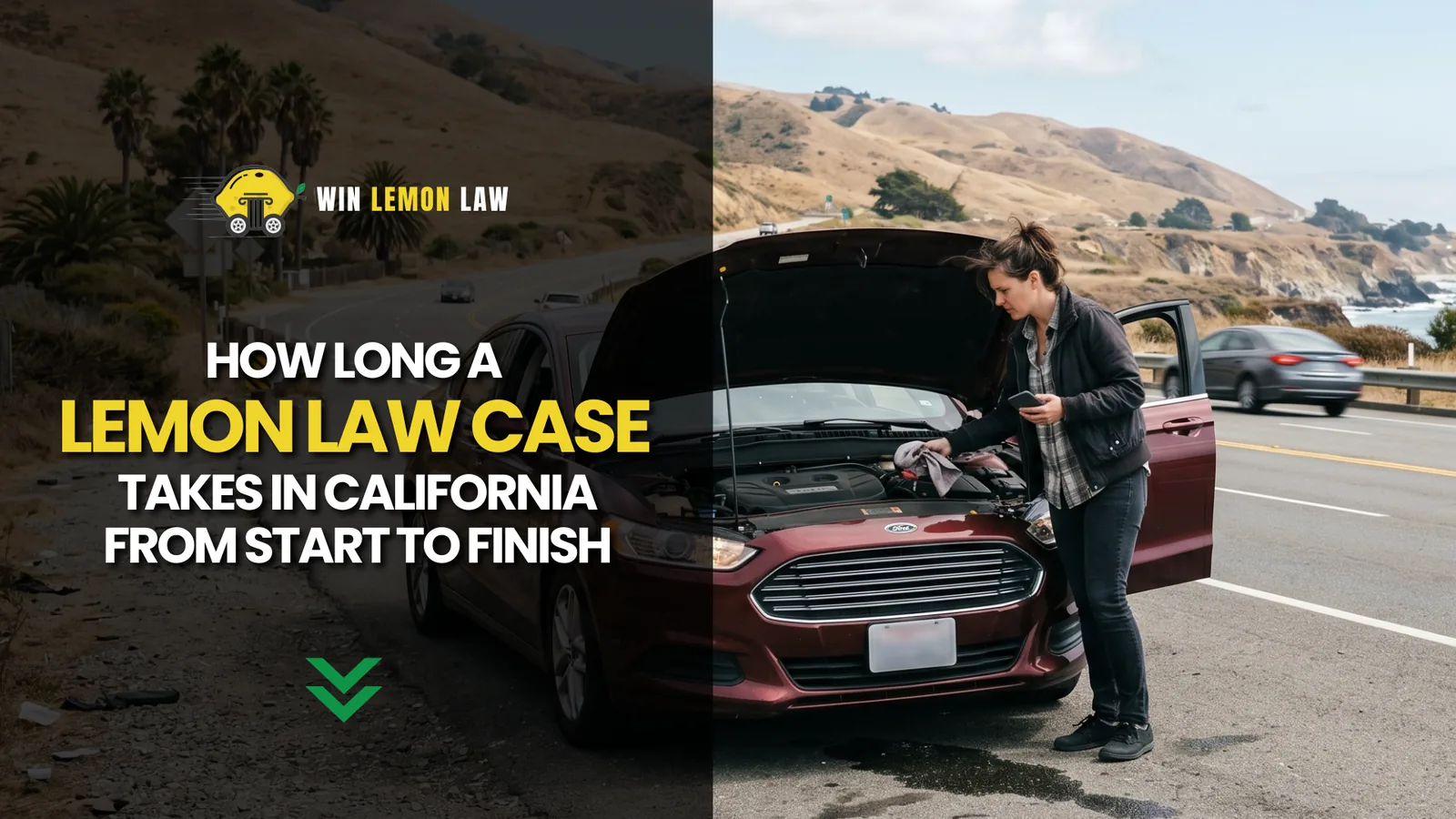
Vehicle repairs are expected to take time, especially when the issue involves complex components or newer technology. Most drivers understand that certain repairs cannot be completed immediately. However, when a vehicle remains at the dealership for weeks or even months because parts are unavailable, the situation becomes far more serious than a routine inconvenience.
Across California, many drivers are facing extended repair delays due to parts shortages, supply chain disruptions, and manufacturer backlogs. Vehicles are left sitting at service centers waiting for components that may not arrive for an extended period of time. During this time, owners are often left without reliable transportation, forced to adjust their daily routines, or incur additional costs.
What many consumers do not realize is that these delays can play a significant role in Lemon Law claims. A vehicle does not need to undergo repeated failed repairs alone to qualify. In many cases, the amount of time a vehicle is unavailable for use can be just as important.
Understanding how extended delays for parts factor into California Lemon Law can help drivers determine when a prolonged repair situation may entitle them to relief.
Why Repair Delays Have Become More Common
In recent years, vehicle repair timelines have changed significantly. Modern vehicles rely on a wide range of specialized components, including electronic modules, sensors, and advanced mechanical systems. Many of these parts are not readily available at local dealerships and must be ordered directly from the manufacturer.
Global supply chain disruptions have also contributed to delays. Shortages of semiconductors and other essential materials have affected the production of replacement parts. Even routine components that were once readily available may now take weeks to arrive.
Additionally, as vehicles become more technologically advanced, certain repairs require highly specific parts that are not interchangeable across different models. This increases the likelihood that a dealership will need to wait for a particular component to be shipped.
While some delay is expected in modern vehicle repairs, extended waiting periods can quickly become unreasonable.
What Drivers Experience During Long Repair Delays
When a vehicle is held at the dealership waiting for parts, the impact on the owner can be significant. Many drivers rely on their vehicle for commuting, family responsibilities, and daily errands. Losing access to that vehicle for an extended period can disrupt nearly every aspect of daily life.
Some drivers are provided with loaner vehicles, but this is not always guaranteed. Even when a loaner is available, it may not match the size, capability, or functionality of the original vehicle.
Other drivers must rely on rental cars, rideshare services, or public transportation. These alternatives can quickly become costly and inconvenient.
The uncertainty surrounding when the repair will be completed can add to the frustration. Dealerships may not have clear timelines for when parts will arrive, leaving drivers without a definite resolution.
When a Delay Becomes More Than Just an Inconvenience

Not every repair delay will lead to a Lemon Law claim. Short delays are often unavoidable and considered part of normal vehicle ownership. However, when a vehicle remains out of service for an extended period, the situation may cross into a different category.
California Lemon Law focuses on whether the manufacturer has had a reasonable opportunity to repair the vehicle. If the vehicle is unavailable for an excessive amount of time due to warranty related repairs, that delay can become a key factor.
A repair that takes several weeks or months may indicate that the manufacturer is unable to provide a timely solution. Even if the repair is eventually completed, the extended downtime may still support a claim.
The law recognizes that consumers should not be left without a functioning vehicle for unreasonable periods of time.
How Time Out of Service Is Evaluated Under California Law
California Lemon Law includes a standard that considers how long a vehicle has been unavailable due to repairs. When a vehicle is out of service for thirty or more cumulative days for warranty related issues, it may qualify for relief.
These days do not need to be consecutive. Multiple shorter visits can add up over time. However, extended delays for parts often involve continuous periods where the vehicle remains at the dealership.
For example, if a vehicle is held for several weeks waiting for a transmission component or electronic module, those days contribute directly to the total time out of service.
This means that even a single repair event can significantly impact a Lemon Law evaluation if the delay is long enough.
Why Parts Shortages Do Not Eliminate Manufacturer Responsibility
Manufacturers may point to supply chain issues or parts shortages as the reason for repair delays. While these factors may explain why a repair is taking longer than expected, they do not remove the manufacturer’s legal obligations.
California Lemon Law is designed to protect consumers, not manufacturers. The law does not excuse delays simply because parts are difficult to obtain.
If a vehicle cannot be repaired within a reasonable amount of time, regardless of the reason, the consumer may still be entitled to relief.
This is an important distinction. The focus is not on why the delay occurred, but on how the delay affects the consumer’s ability to use the vehicle.
The Connection Between Delays and Unresolved Defects
Extended repair delays are often tied to serious defects. If a part is unavailable, it is usually because the component is critical to the vehicle’s operation and cannot be substituted with an alternative.
Common examples include engine components, transmission parts, electronic control modules, and safety system hardware. When these components fail, the vehicle may not be safe or practical to drive.
Waiting for these parts often means that the defect remains unresolved for an extended period. The longer the vehicle is out of service, the more it reinforces the fact that the issue has not been fixed.
This connection between delay and unresolved defects is a key factor in Lemon Law claims.
Situations Where Delays Can Strengthen a Claim
There are several scenarios where extended delays for parts can significantly strengthen a Lemon Law case.
One situation involves a vehicle that is held at the dealership for several weeks or months waiting for a critical component. Even if this is the first major repair, the length of time alone may support a claim.
Another scenario involves multiple repair visits where each visit includes additional waiting time for parts. Over time, these delays accumulate and contribute to the total time out of service.
Delays can also strengthen a claim when combined with recurring defects. If a vehicle experiences repeated issues and also spends extended periods waiting for parts, it demonstrates both unsuccessful repair attempts and excessive downtime.
Why Electric and Technology Driven Vehicles Are More Affected

Vehicles with advanced technology, including electric vehicles and those with complex electronic systems, are more likely to experience extended repair delays. These vehicles rely on specialized components that may not be widely available.
Battery systems, charging components, sensors, and control modules often require specific parts that must be ordered from the manufacturer. These components may not be stocked locally and can take longer to arrive.
As a result, drivers of newer vehicles may find themselves waiting longer for repairs compared to traditional vehicles. These delays can quickly become significant when evaluating Lemon Law eligibility.
How Extended Delays Affect Vehicle Value and Reliability
A vehicle that spends extended time in the repair shop may lose value over time. Potential buyers often consider repair history when evaluating a vehicle, and long repair delays can raise concerns about reliability.
In addition to financial impact, repeated delays can affect how the owner perceives the vehicle. A vehicle that cannot be repaired promptly may no longer be considered dependable.
This loss of confidence is one of the factors considered under California Lemon Law when determining whether a defect substantially impairs the vehicle’s value.
What Drivers Should Know When Facing Long Repair Delays
Drivers dealing with extended repair delays should be aware that they are not required to accept indefinite waiting periods. While patience is often necessary during repairs, there are limits to what is considered reasonable.
If a vehicle remains at the dealership for an extended period due to parts shortages, it may be appropriate to explore whether the situation meets the criteria for a Lemon Law claim.
Each case depends on the specific facts, including the nature of the defect, the total time out of service, and the repair history.
Understanding these factors can help drivers make informed decisions about their options.
How Win Lemon Law Assists With Delay Based Claims
At Win Lemon Law, we help California consumers who are dealing with vehicles that remain out of service for extended periods due to unresolved defects. Our team evaluates repair timelines, service history, and the overall impact of the delay on the consumer.
We understand that delays caused by parts shortages can be just as disruptive as repeated failed repairs. By analyzing the total time the vehicle has been unavailable, we determine whether the case meets the legal standard for Lemon Law protection.
When a claim qualifies, we pursue remedies that may include a vehicle buyback, replacement, or financial compensation.
California Lemon Law typically requires manufacturers to pay attorney fees and costs in successful cases, allowing consumers to seek relief without additional financial burden.
Contact Win Lemon Law for Help With Extended Repair Delays
If your vehicle has been stuck at the dealership for an extended period waiting for parts, you may have rights under California Lemon Law. Long repair delays can be more than just an inconvenience. They can be a sign that the manufacturer has been unable to provide a timely and effective solution.
The experienced California Lemon Law attorneys at Win Lemon Law can review your repair timeline, explain your options clearly, and help determine whether your vehicle qualifies for relief.
Contact Win Lemon Law today for a free case evaluation.
Think you have a lemon?
Get a free case review — we only get paid if you win.
Related articles
General Motors Infotainment and Safety System Failures in Newer Models
General Motors vehicles, including Chevrolet, GMC, Cadillac, and Buick models, have become increasingly advanced in recent years. These vehicles…
Read more April 7, 2026What Happens If Your Vehicle Problem Gets Worse Over Time Instead of Immediately
Many vehicle owners expect that if something is wrong with their car, the issue will appear clearly and all at
Read more March 31, 2026Hyundai and Kia Engine Failures That Continue After Dealership Repairs
Hyundai and Kia vehicles have grown increasingly popular across California over the past decade. Drivers are often drawn to these
Read more