General Motors Infotainment and Safety System Failures in Newer Models
General Motors vehicles, including Chevrolet, GMC, Cadillac, and Buick models, have become increasingly advanced in recent years. These vehicles now rely heavily on infotainment systems, digital dashboards, and integrated safety technology to enhance the driving experience. Features such as touchscreen controls, wireless connectivity, driver assistance alerts, and camera based systems are now standard across many models.
While these technologies are designed to improve convenience and safety, many drivers have reported ongoing issues that affect how these systems function. Instead of operating smoothly, some vehicles experience screen freezes, system resets, connectivity failures, or repeated safety alerts that do not behave as expected.
For some owners, these problems persist even after dealership visits and software updates. When infotainment or safety system issues continue without a lasting fix, they can raise concerns about reliability and usability. In California, these types of recurring defects may also have legal implications under Lemon Law.
Understanding how these issues appear in General Motors vehicles and why they often persist can help drivers determine whether their situation may qualify for relief.
The Increasing Role of Digital Systems in GM Vehicles
Modern General Motors vehicles are no longer dependent solely on mechanical components. Instead, many core functions are controlled through integrated electronic systems. The infotainment screen often acts as a central hub, managing navigation, climate controls, media, and vehicle settings.
At the same time, safety features rely on sensors, cameras, and software to monitor driving conditions. Systems such as forward collision alerts, lane guidance, parking assistance, and blind spot monitoring are designed to assist drivers in real time.
Because these systems are interconnected, a problem in one area can affect multiple features. A malfunctioning screen may impact access to controls, while a sensor issue may trigger repeated safety alerts.
This level of integration increases convenience but also creates more opportunities for defects to appear.
Common Infotainment Issues Reported by Drivers
Infotainment problems are among the most frequently reported concerns in newer GM vehicles. Drivers often describe situations where the touchscreen becomes unresponsive or freezes entirely. In some cases, the system may restart unexpectedly while driving.
Connectivity issues are also common. Bluetooth connections may drop without warning, Apple CarPlay or Android Auto may fail to connect, or audio systems may stop working temporarily.
Some drivers report that navigation systems display incorrect information or fail to load properly. Others experience delayed response times when using basic functions such as adjusting settings or switching between applications.
While these issues may seem minor at first, their persistence can make everyday driving frustrating and inconvenient.
Safety System Alerts That Do Not Behave Consistently
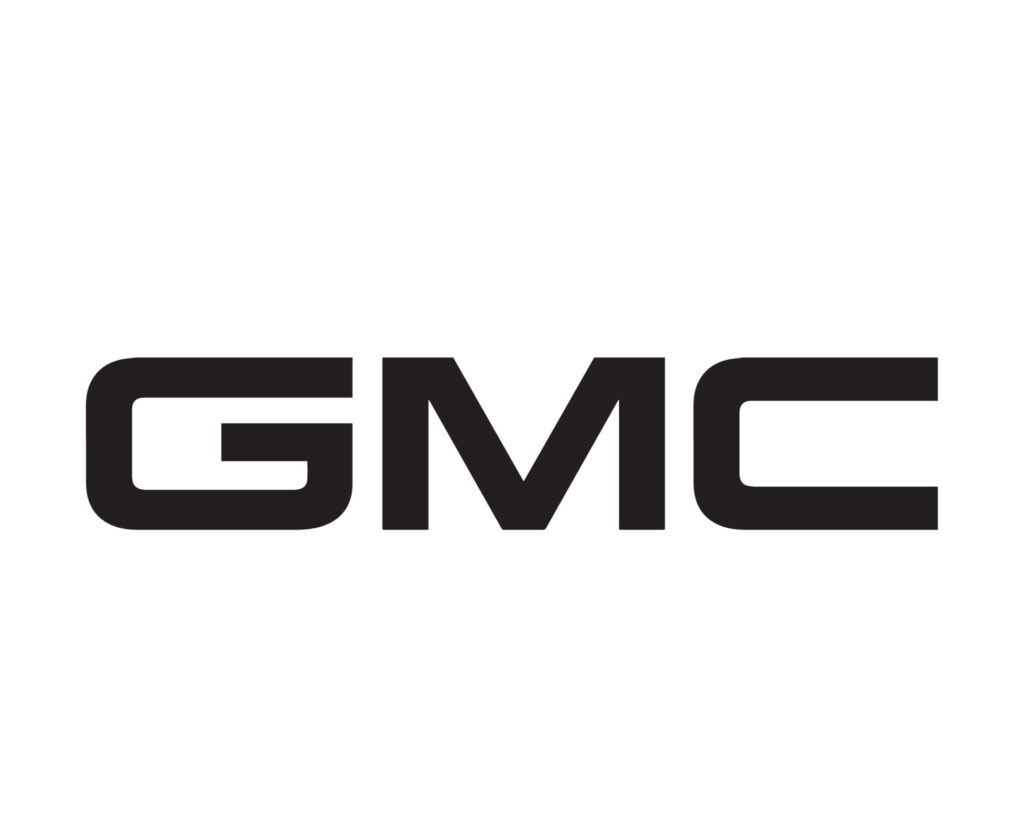
In addition to infotainment concerns, many GM owners report issues involving safety system alerts. These systems are designed to provide warnings or assistance when certain driving conditions are detected.
However, some drivers experience alerts that activate without a clear reason. Collision warnings may appear when no obstacle is present. Lane assistance systems may issue notifications even when the vehicle is properly positioned.
Other drivers report that safety features become temporarily unavailable. Messages may appear indicating that a system requires service, only for the alert to disappear later.
These inconsistencies can create confusion and reduce confidence in systems that are intended to improve safety.
When Updates Do Not Resolve the Problem
Dealerships often attempt to address infotainment and safety system issues through software updates or system resets. These updates are designed to correct bugs, improve system performance, and resolve known issues.
In some cases, updates provide temporary improvement. However, many drivers report that the same problems return after a short period of time. A frozen screen may begin functioning again only to fail later. Safety alerts may disappear temporarily but reappear during normal driving.
When updates do not provide a lasting solution, the defect remains unresolved. Repeated attempts to fix the issue through software changes may indicate that the underlying problem has not been fully addressed.
The Real World Impact of System Failures
Infotainment and safety system failures can affect more than just convenience. When core vehicle functions are tied to digital interfaces, system malfunctions can interfere with everyday use.
For example, if climate controls or vehicle settings are accessed through a touchscreen that becomes unresponsive, drivers may lose access to important functions. Connectivity failures can disrupt communication, navigation, and entertainment during daily driving.
Safety system inconsistencies can be even more concerning. Drivers rely on these features to provide accurate information and assistance. When alerts appear unexpectedly or fail to activate when needed, it can create uncertainty.
Over time, these issues can reduce overall confidence in the vehicle.
Why These Problems Can Be Difficult to Fix
Infotainment and safety system defects are often tied to software and electronic communication between components. Unlike mechanical problems, these issues may not have a single identifiable cause.
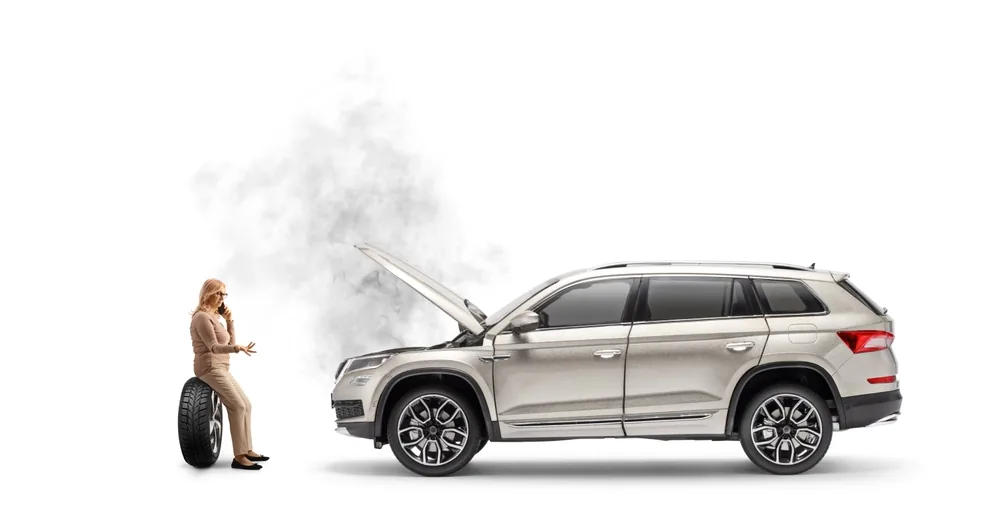
A malfunction may result from a combination of factors, including software bugs, sensor calibration issues, or communication errors between systems. Because of this complexity, diagnosing the problem can require multiple attempts.
Technicians may perform updates, recalibrations, or system resets in an effort to resolve the issue. However, if the root cause is not identified, the problem may continue to return.
This cycle of attempted fixes followed by recurring issues is a common pattern reported by drivers.
When Recurring System Issues Become a Legal Concern
California Lemon Law applies when a vehicle cannot be repaired after a reasonable number of attempts and the defect substantially affects its use, value, or safety.
Infotainment issues alone may affect usability, particularly when they interfere with essential vehicle functions. Safety system defects may have an even greater impact because they relate directly to driver assistance and accident prevention.
When these problems continue despite multiple repair attempts, they may meet the legal threshold for a Lemon Law claim.
The key factor is not whether the issue is mechanical or electronic, but whether it remains unresolved and affects the vehicle in a meaningful way.
Recognizing Patterns That Suggest a Deeper Defect
Drivers often notice that the same issues continue to appear even after service visits. A screen may freeze repeatedly, or safety alerts may return after updates. These patterns suggest that the problem is not isolated.
When multiple systems are affected, it may indicate a broader issue within the vehicle’s electronic architecture. For example, a communication problem between modules could impact both infotainment and safety features.
Recognizing these patterns can help drivers understand that the issue may not be resolved through simple updates or resets.
Why Infotainment and Safety System Failures Often Affect Multiple Features at Once
One of the most frustrating aspects of infotainment and safety system defects in General Motors vehicles is that a single issue rarely stays isolated. Because modern vehicles rely on interconnected electronic systems, a malfunction in one component can quickly affect several features at the same time.
For example, a problem within the vehicle’s central control module may impact the infotainment screen, backup camera, and parking assistance system simultaneously. Drivers may notice that when the screen freezes, camera views fail to display properly or sensor alerts stop functioning as expected.
Similarly, issues involving sensors or communication networks can trigger multiple warning messages. A single faulty sensor may cause alerts related to collision detection, lane assistance, and adaptive cruise control to appear even when there is no actual hazard.
This overlap can make it difficult for technicians to isolate the root cause. Dealerships may attempt to fix one system at a time, applying updates or recalibrations to individual components. However, if the underlying issue involves system communication or software architecture, these partial fixes may not resolve the overall problem.
For drivers, this creates a cycle where different features fail at different times, even though they are connected to the same underlying defect. Over time, this pattern reinforces the idea that the issue is not limited to a single feature but instead affects the vehicle’s broader electronic system.
From a legal perspective, this type of widespread impact can strengthen a Lemon Law claim. When multiple systems are affected, it becomes easier to show that the defect substantially impairs the vehicle’s usability and reliability. A vehicle that cannot consistently operate its core features may not meet the expectations of a properly functioning vehicle under warranty.
The Broader Trend Across Modern Vehicles
The challenges seen in General Motors vehicles are not unique. As all manufacturers move toward more software driven designs, similar issues are appearing across the industry.
However, the volume of reports involving infotainment and safety system failures in certain GM models has drawn attention. As vehicles continue to evolve, these types of defects are becoming more common in Lemon Law cases.
This trend reflects the growing role of technology in vehicles and the challenges that come with it.
How Win Lemon Law Evaluates Technology Related Defects
At Win Lemon Law, we assist California drivers dealing with recurring vehicle problems that do not stay fixed. Our team understands how infotainment and safety system defects are documented and how manufacturers attempt to address them.
We review repair histories, service records, and the overall pattern of issues affecting the vehicle. By analyzing repeated system failures and attempted fixes, we determine whether the case meets the legal standard under California Lemon Law.
If the vehicle qualifies, potential outcomes may include a buyback, replacement vehicle, or financial compensation.
California Lemon Law generally requires manufacturers to cover attorney fees and costs in successful cases, allowing consumers to pursue their claims without additional financial burden.
Contact Win Lemon Law for Help With GM System Failures
If your Chevrolet, GMC, Cadillac, or Buick continues to experience infotainment or safety system problems that do not stay fixed, you may have rights under California Lemon Law.
Persistent system failures can affect reliability, usability, and confidence in your vehicle. You should not have to deal with repeated issues that never fully resolve.
The experienced California Lemon Law attorneys at Win Lemon Law can review your repair history, explain your options clearly, and help determine whether your vehicle qualifies for relief.
Contact Win Lemon Law today for a free case evaluation.
Think you have a lemon?
Get a free case review — we only get paid if you win.
Related articles
What Happens If Your Vehicle Problem Gets Worse Over Time Instead of Immediately
Many vehicle owners expect that if something is wrong with their car, the issue will appear clearly and all at
Read more March 31, 2026Hyundai and Kia Engine Failures That Continue After Dealership Repairs
Hyundai and Kia vehicles have grown increasingly popular across California over the past decade. Drivers are often drawn to these
Read more March 26, 2026What to Do When the Dealership Says “No Issue Found” but the Problem Persists
For many vehicle owners dealing with ongoing mechanical or electronic issues, one of the most frustrating responses they hear from
Read more