Ford 3.5 EcoBoost Years to Avoid: Common Problems, Recalls, and Reliability Concerns

The Ford 3.5L EcoBoost engine is widely known for its strong performance, impressive torque, and ability to balance power with fuel efficiency. For years, it has served as a cornerstone of Ford’s lineup, powering popular vehicles such as the Ford F-150, Ford Expedition, and Lincoln Navigator. For many drivers, the engine delivers exactly what it promises: towing capability, responsive acceleration, and everyday drivability.
However, not all Ford 3.5 EcoBoost engines perform equally over time. Certain model years have developed a consistent pattern of mechanical problems that extend beyond routine maintenance or normal wear. Owners of affected vehicles frequently report repeat engine failures, unexpected power loss, and repairs that do not provide lasting solutions.
From timing chain and cam phaser failures to carbon buildup and intercooler condensation, these issues can significantly affect reliability, safety, and long-term value. For drivers who rely on their vehicles for work, family transportation, or towing, these defects can be both stressful and financially draining.
If your Ford vehicle continues to return to the dealership for the same EcoBoost-related problems, California Lemon Law may provide a path toward relief. Understanding which years to avoid and recognizing recurring defects is often the first step toward protecting your rights.
Common Ford 3.5 EcoBoost Engine Problems
One of the most frequently reported issues with the Ford 3.5 EcoBoost engine is carbon buildup on the intake valves. Because this engine uses direct fuel injection, gasoline does not pass over the intake valves during normal operation. Over time, carbon deposits accumulate and restrict airflow, interfering with combustion and overall engine efficiency.
As carbon buildup progresses, drivers may notice rough idling, hesitation during acceleration, loss of power, engine misfires, and declining fuel economy. These symptoms often develop gradually, which can make them easy to overlook until performance noticeably worsens. In many cases, routine maintenance alone does not prevent this issue because it is tied to the engine’s design.
Timing chain stretching and cam phaser failure represent another major category of EcoBoost-related problems. Drivers frequently report rattling, ticking, or knocking noises, especially during cold starts. These sounds can indicate internal engine wear and, if left unresolved, may lead to serious engine damage and costly repairs.
Intercooler condensation is also a well-documented concern, particularly in humid or coastal climates. Moisture buildup inside the intercooler can be drawn into the engine, causing misfires, hesitation, and sudden power loss. When combined with ignition coil and spark plug wear associated with turbocharged engines, these issues often return even after dealership repairs.
Ford 3.5 EcoBoost Model Years to Avoid
Vehicle owners and industry professionals commonly identify first-generation Ford 3.5 EcoBoost engines produced between approximately 2010 and 2014 as the most problematic. These model years show higher rates of complaints related to timing chain wear, cam phaser failures, carbon buildup, and intercooler condensation.
Many owners report needing major engine repairs well before reaching what most drivers would consider normal mileage. In some cases, serious symptoms appear during the warranty period, while others emerge shortly after coverage expires, leaving owners with substantial out-of-pocket costs.
Certain mid-decade models also experienced PCV system issues that led to excessive oil consumption and visible exhaust smoke after idling. Coolant leaks related to heater hose fittings were another recurring concern, particularly in trucks and larger sport utility vehicles using the 3.5 EcoBoost platform.
Although Ford introduced design updates in later generations, drivers of early EcoBoost models often find themselves trapped in a cycle of repeat repairs. When a manufacturer cannot permanently resolve a known defect, Lemon Law protections may apply.
Warning Signs of Ford EcoBoost Engine Failure
Early warning signs of Ford 3.5 EcoBoost engine problems should not be ignored. Many drivers first notice rough or unstable idling, sluggish acceleration, or inconsistent power delivery. These symptoms may worsen gradually, making them seem like normal aging rather than signs of a serious defect.
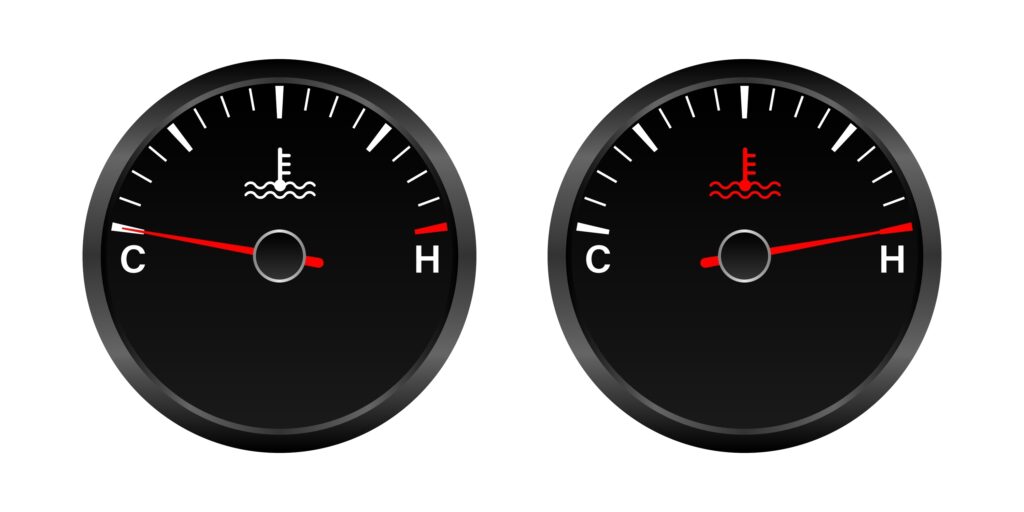
Rattling or ticking noises, particularly during cold starts, are often associated with cam phaser or timing chain issues. While these sounds may disappear once the engine warms up, that does not mean the problem has been resolved. Intermittent noise often signals progressive internal wear.
Other warning signs include repeated check engine lights, misfires under load, sudden loss of power, or hesitation during merging or towing. Some drivers experience stalling or delayed throttle response, which can create serious safety risks in traffic.
When these issues persist after dealership repairs or return shortly after service, they often indicate an underlying defect rather than isolated component failure.
Ford Vehicles Commonly Affected by 3.5 EcoBoost Issues
The Ford 3.5 EcoBoost engine has been installed in a wide range of vehicles, increasing the number of owners affected by recurring defects. The Ford F-150 is among the most commonly impacted models, with many owners reporting coolant leaks, cold-start rattling, and timing chain problems.
Larger vehicles such as the Ford Expedition and Lincoln Navigator have also experienced EcoBoost-related complaints. Because these vehicles are heavier and frequently used for towing, engine stress can intensify existing defects and lead to earlier or more severe failures.
Some later-generation EcoBoost vehicles were subject to technical service bulletins and recalls addressing engine noise, oil leaks, or component misalignment. While recalls may address specific risks, they do not always eliminate underlying reliability issues permanently.
Across multiple model years, a consistent pattern emerges: repeat engine problems, extended repair times, and unresolved performance concerns that interfere with normal vehicle use.
Safety, Reliability, and Recall Concerns
Safety concerns related to Ford 3.5 EcoBoost engines have drawn attention from both regulators and consumers. Reports of sudden power loss, engine stalling, and oil leaks raise serious safety concerns, particularly at highway speeds or while towing.
Certain recalls addressed defects that could lead to oil leaks or engine shutdowns, increasing the risk of fire or loss of control. While Ford has issued repairs for specific production runs, many owners continue to experience problems even after recall work is completed.
Reliability is just as critical as safety. A vehicle that cannot be trusted to start, accelerate, or perform consistently undermines driver confidence and long-term value. Frequent breakdowns and repeat repairs fall short of what consumers expect from a modern engine.
When recall repairs fail to permanently resolve known defects, Lemon Law may provide an alternative solution.
Maintenance Costs and Repair Challenges
Maintaining a turbocharged engine like the Ford 3.5 EcoBoost can be costly, particularly as vehicles age. Turbo systems place added stress on internal components, increasing the likelihood of wear and failure.

Repairs involving timing chains, cam phasers, or internal engine components often cost thousands of dollars. Even routine maintenance, such as replacing spark plugs and ignition coils, can be more expensive due to the engine’s complexity.
Many owners follow recommended maintenance schedules carefully, only to experience failures that maintenance alone cannot prevent. This reinforces the conclusion that some EcoBoost issues stem from design limitations rather than owner neglect.
When vehicles require repeated costly repairs during the warranty period, California Lemon Law exists to protect consumers from being stuck with defective products.
What Is California Lemon Law
California Lemon Law protects consumers who purchase or lease vehicles with serious defects that manufacturers cannot repair after a reasonable number of attempts. These defects must substantially impair the vehicle’s use, value, or safety.
The law applies to new vehicles and many used vehicles that remain under the manufacturer’s warranty. Lemon Law is not limited to total engine failure. Recurring problems that repeatedly return after repair may also qualify.
If a manufacturer cannot resolve a defect within a reasonable timeframe, the consumer may be entitled to a buyback, replacement vehicle, or financial compensation. In most cases, the manufacturer is required to pay the consumer’s attorney fees and costs.
What to Do If Your Ford Has Ongoing EcoBoost Problems
If your Ford continues to experience EcoBoost-related issues, documentation is critical. Always bring your vehicle to an authorized Ford dealership and clearly describe every symptom you experience.
Ensure repair orders accurately reflect your complaints, including when the issue occurs, how often it happens, and how it affects drivability or safety.
Keep copies of all repair orders, invoices, recall notices, and warranty documents. Track how long your vehicle is out of service and whether the same problem continues to return.
If repairs fail to provide a lasting solution, consulting a California Lemon Law attorney can help you determine whether your vehicle qualifies for relief.
Frequently Asked Questions About Ford 3.5 EcoBoost Problems
Are Ford 3.5 EcoBoost engines reliable overall
Later model years show improvement, but early and some mid-generation engines have well-documented reliability concerns.
Do repeated engine repairs qualify under Lemon Law
Yes. Repeated attempts to fix the same defect or excessive time spent in the repair shop may qualify.
Does a recall automatically mean my vehicle is a lemon
Not automatically. However, unresolved recall-related defects can strengthen a Lemon Law claim.
Does Lemon Law apply if my vehicle still runs
Yes. A vehicle does not need to be completely inoperable if defects substantially affect use, value, or safety.
How Win Lemon Law Helps Ford EcoBoost Owners in California
When a Ford vehicle continues to experience recurring EcoBoost engine problems despite multiple repair attempts, California Lemon Law may provide meaningful protection. Repeated engine failures, unresolved drivability issues, and extended time in the repair shop can indicate that the manufacturer has been unable to deliver a lasting fix.
At Win Lemon Law, we represent California consumers dealing with ongoing engine defects, including persistent Ford EcoBoost issues. Our team reviews repair histories, warranty coverage, and defect patterns to determine whether a vehicle meets the legal standard for Lemon Law relief. We handle communication with the manufacturer, evaluate whether repair attempts were reasonable, and pursue the appropriate remedy under the law.
For vehicles that qualify, potential outcomes may include a manufacturer buyback, a replacement vehicle, or financial compensation. California Lemon Law generally requires the manufacturer to pay the consumer’s attorney fees and costs, allowing eligible owners to pursue their rights without added financial burden.
Contact Win Lemon Law for Help With Ford EcoBoost Engine Problems
If your Ford continues to suffer from repeated EcoBoost engine issues that do not stay fixed, you do not have to continue navigating dealership visits and repair delays on your own. Understanding your rights is an important step toward protecting your safety, time, and investment.
The experienced California Lemon Law attorneys at Win Lemon Law can review your repair records, explain your options clearly, and determine whether your vehicle qualifies for relief under the law.
Contact Win Lemon Law today for a free case evaluation.
Think you have a lemon?
Get a free case review — we only get paid if you win.
Related articles
Why So Many Modern Vehicles Are Leading to Lemon Law Claims in California
Many California drivers are surprised to learn how frequently newer vehicles develop serious and recurring problems. Cars that are only
Read more January 27, 2026What Happens After a Manufacturer Agrees to a Lemon Law Buyback in California Including Electric Vehicles
When a vehicle manufacturer agrees to repurchase a defective vehicle under California lemon law, many consumers feel an immediate sense
Read more January 22, 2026Why Manufacturers Push Back on Lemon Law Claims and How California Consumers Can Respond
When California vehicle owners file a lemon law claim, many expect the process to be straightforward. After all, the law
Read more