When Over-the-Air Updates Create New Defects: How California Lemon Law Applies

Modern vehicles are no longer defined solely by mechanical components. Today’s cars and trucks rely heavily on software to control everything from engine performance and braking to safety systems, driver assistance features, and infotainment. As a result, manufacturers increasingly rely on over-the-air software updates to address problems, enhance features, or comply with regulatory requirements.
In theory, these updates offer convenience. Instead of visiting a dealership, drivers can receive fixes remotely. In practice, however, many vehicle owners are discovering that software updates can introduce new problems rather than resolve existing ones. In some cases, vehicles that previously drove normally begin to experience warning lights, drivability issues, or system failures immediately after an update is installed.
When software updates create new defects or fail to fix ongoing issues, California Lemon Law may still apply. Understanding how software-related problems are treated under the law is becoming increasingly important as vehicles become more computer-driven.
The Growing Role of Software in Modern Vehicles

Automakers now use software to manage nearly every aspect of vehicle operation. Engine timing, transmission behavior, braking response, stability control, adaptive cruise control, lane-keeping systems, and even steering assistance are governed by software algorithms.
Electric vehicles rely even more heavily on software, as battery management, charging behavior, and range calculations are all software-controlled. Infotainment systems, navigation, and connectivity features are also deeply integrated into the vehicle’s operating system.
Because of this complexity, manufacturers often choose to address defects through software updates rather than replacing hardware. Over-the-air updates allow automakers to deploy fixes quickly and at scale. However, the speed and scope of these updates also increase the risk of unintended consequences.
When Over-the-Air Updates Create New Problems
Many drivers report that issues began only after a software update was installed. In some cases, the update was intended to fix a minor issue but instead caused broader problems affecting drivability or safety.
Common complaints after over-the-air updates include sudden warning lights, loss of power, braking inconsistencies, malfunctioning driver-assistance features, frozen displays, and erratic behavior from systems that previously worked as expected. Some drivers experience changes in acceleration or shifting behavior that make the vehicle feel unpredictable or unsafe.
Because these problems are software-related, they may appear intermittently. A vehicle might drive normally one day and behave erratically the next. This inconsistency often makes diagnosis difficult and leads to repeated dealership visits without a permanent solution.
When a software update introduces new defects, it raises important questions about manufacturer responsibility and consumer rights.
Software Defects Are Treated the Same as Mechanical Defects
A common misconception is that lemon law only applies to mechanical failures such as engine or transmission problems. In California, this is not the case. Lemon Law focuses on whether a vehicle has a defect that substantially impairs its use, value, or safety and whether the manufacturer fails to repair it within a reasonable number of attempts.
The law does not distinguish between mechanical and software defects. A software-related problem that causes loss of power, disables safety systems, or interferes with normal driving can be just as serious as a physical component failure.
Repeated unsuccessful software updates count as repair attempts under California Lemon Law. If a manufacturer applies multiple updates or recalibrations and the problem persists or worsens, those attempts are part of the repair history.
Why Software Defects Can Be Harder to Resolve
Unlike mechanical issues, software defects may not leave visible evidence. A faulty sensor or worn component can often be identified and replaced. Software problems, by contrast, may involve complex interactions between systems that are difficult to replicate on demand.
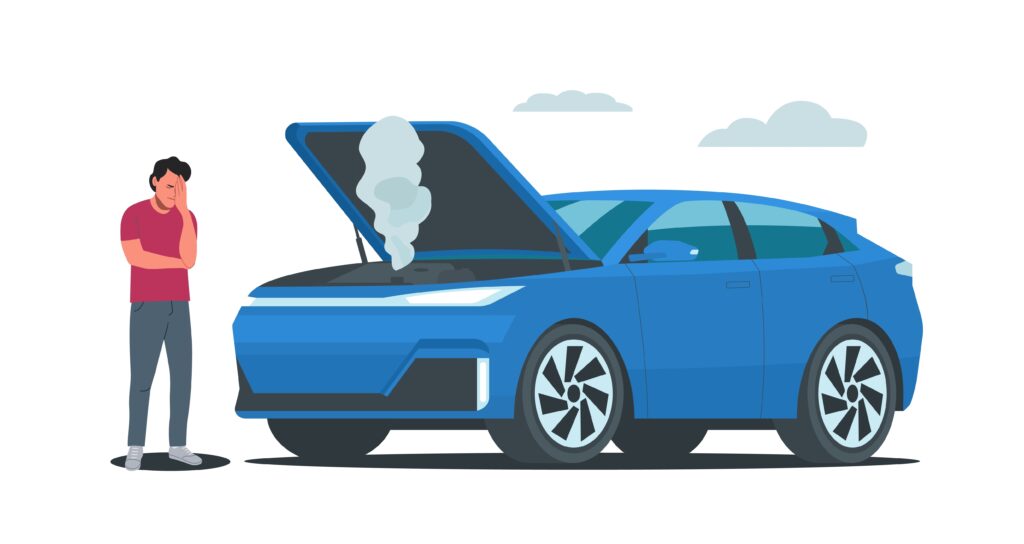
Dealerships often rely on diagnostic codes to identify problems. If a software defect does not consistently trigger a fault code, technicians may conclude that no issue is present. Owners may hear phrases such as “no fault found” or “operating as designed,” even though the vehicle continues to behave unpredictably.
This can create a frustrating cycle. The manufacturer releases an update, the problem changes or temporarily improves, and then a new issue appears. Each visit may result in another update or reset, but no lasting fix.
From a lemon law perspective, this pattern can actually strengthen a claim, as it demonstrates repeated failed repair attempts.
Over-the-Air Updates and Warranty Responsibility
Manufacturers sometimes argue that over-the-air updates are improvements rather than repairs. However, when an update is applied to address a defect or correct abnormal behavior, it functions as a repair under warranty.
If an update introduces a new defect, that defect is also covered by the manufacturer’s warranty. Consumers are not required to accept new problems simply because they were introduced through software rather than hardware changes.
California Lemon Law applies to defects that arise during the warranty period, regardless of whether they originate from manufacturing, design, or software changes made by the manufacturer.
Common Types of Software-Related Defects Seen After Updates
Software-related lemon law cases often involve recurring patterns. Drivers may experience loss of power, hesitation, or inconsistent acceleration after an update. Safety systems such as automatic braking, lane assistance, or adaptive cruise control may activate unexpectedly or fail to engage.
Infotainment and control screens may freeze, reboot, or go dark, affecting access to vehicle controls. In electric vehicles, updates may alter charging behavior, reduce range, or trigger battery warnings.
Because these systems are interconnected, a single update can affect multiple functions at once. When these issues interfere with daily use or safety and do not stay fixed, lemon law protections may apply.
Documentation Is Critical in Software Defect Cases
When dealing with software-related problems, documentation becomes even more important than in traditional mechanical cases. Owners should keep copies of every repair order, even when the dealership states that only a software update was performed.
Repair orders should reflect the original complaint, not just the action taken. Statements such as “customer reports loss of power after update” or “warning lights appeared following software installation” are important.
Owners should also maintain a personal log noting when issues occur, what systems are affected, and whether the problem appeared after a specific update. Photos or videos of warning messages, system errors, or abnormal behavior can provide valuable support.
The goal is to show a clear pattern: updates applied, problems persist or worsen, and no permanent resolution is achieved.
Proving That Software Defects Are Ongoing
Manufacturers sometimes claim that a software issue has been resolved simply because a new update was released. However, the key question under California Lemon Law is whether the defect has actually been fixed.
If the same or similar problems continue after updates, that indicates the defect remains unresolved. Even if the issue changes form, such as shifting from one warning to another, it may still qualify as the same underlying defect.
Courts and manufacturers look at the overall impact on the vehicle, not just whether the software version number has changed. A vehicle that continues to behave unpredictably or unsafe after multiple updates may qualify as a lemon.
Time Out of Service and Software Repairs
Another important factor is how long the vehicle is out of service. Software repairs often require diagnostic time, reprogramming, testing, and follow-up visits. Vehicles may spend days or weeks at the dealership waiting for updates or approval from the manufacturer.
California Lemon Law allows vehicles to qualify if they are out of service for a cumulative total of thirty or more days due to warranty repairs, even if those days involve different issues.
Repeated software repair visits can quickly add up and strengthen a lemon law claim.
Electric Vehicles and Software-Driven Defects

Electric vehicles are particularly affected by software issues. Battery management, charging behavior, and range calculations are all software-controlled. Updates intended to improve performance or safety can sometimes introduce new problems.
Owners may notice changes in charging speed, unexpected battery warnings, or reduced range after updates. Because EV systems are complex, manufacturers may release multiple updates in an attempt to resolve issues.
When EV software problems persist, they can significantly impair use and value, making lemon law protection especially relevant.
Can Manufacturers Require You to Accept Updates
Manufacturers may encourage or require software updates as part of warranty service. However, consumers are not required to tolerate endless trial-and-error fixes.
California Lemon Law does not require owners to accept repeated unsuccessful repair attempts indefinitely. If updates fail to resolve the defect within a reasonable number of attempts, the manufacturer must provide a remedy.
When Software Updates Strengthen a Lemon Law Claim
Ironically, repeated software updates can strengthen a lemon law case. Each update intended to fix the problem counts as a repair attempt. If the vehicle continues to malfunction, the repair history shows a clear pattern of failure.
This is especially true when updates create new issues. A vehicle that develops additional defects after updates may be further impaired, increasing the likelihood of lemon law eligibility.
How Win Lemon Law Helps With Software-Related Lemon Law Claims
At Win Lemon Law, we assist California consumers facing modern vehicle defects, including those caused by over-the-air software updates. We understand how manufacturers document software repairs and how to identify patterns that support lemon law claims.
Our team reviews repair records, update histories, and warranty coverage to determine whether a vehicle qualifies for relief. We handle communication with the manufacturer and pursue the appropriate remedy under California law.
For electric vehicle cases, we pay close attention to battery and software interactions to ensure that persistent defects are not minimized as normal updates.
California Lemon Law generally requires manufacturers to pay attorney fees and costs in successful cases, allowing consumers to pursue their rights without added financial burden.
Contact Win Lemon Law for Help With Software-Related Vehicle Defects
If your vehicle begins experiencing new problems after a software update or continues to suffer from unresolved software-related defects, you may have rights under California Lemon Law.
The experienced California Lemon Law attorneys at Win Lemon Law can review your repair history, explain your options, and help you determine whether your vehicle qualifies for a buyback, replacement, or compensation.
Contact Win Lemon Law today for a free case evaluation.
Think you have a lemon?
Get a free case review — we only get paid if you win.
Related articles
Tesla Safety System Warnings That Reappear After Dealer Fixes
Tesla vehicles are known for advanced technology, software driven controls, and safety systems designed to assist drivers in real time.
Read more February 17, 2026When a Manufacturer Claims the Problem Is Fixed but It Keeps Coming Back
For many California vehicle owners, one of the most frustrating moments in the repair process comes after the dealership says
Read more February 10, 2026Can a Manufacturer Reverse a Buyback Decision
When a vehicle manufacturer agrees to a lemon law buyback, many California consumers assume the matter is settled. After weeks
Read more