Tesla Safety System Warnings That Reappear After Dealer Fixes
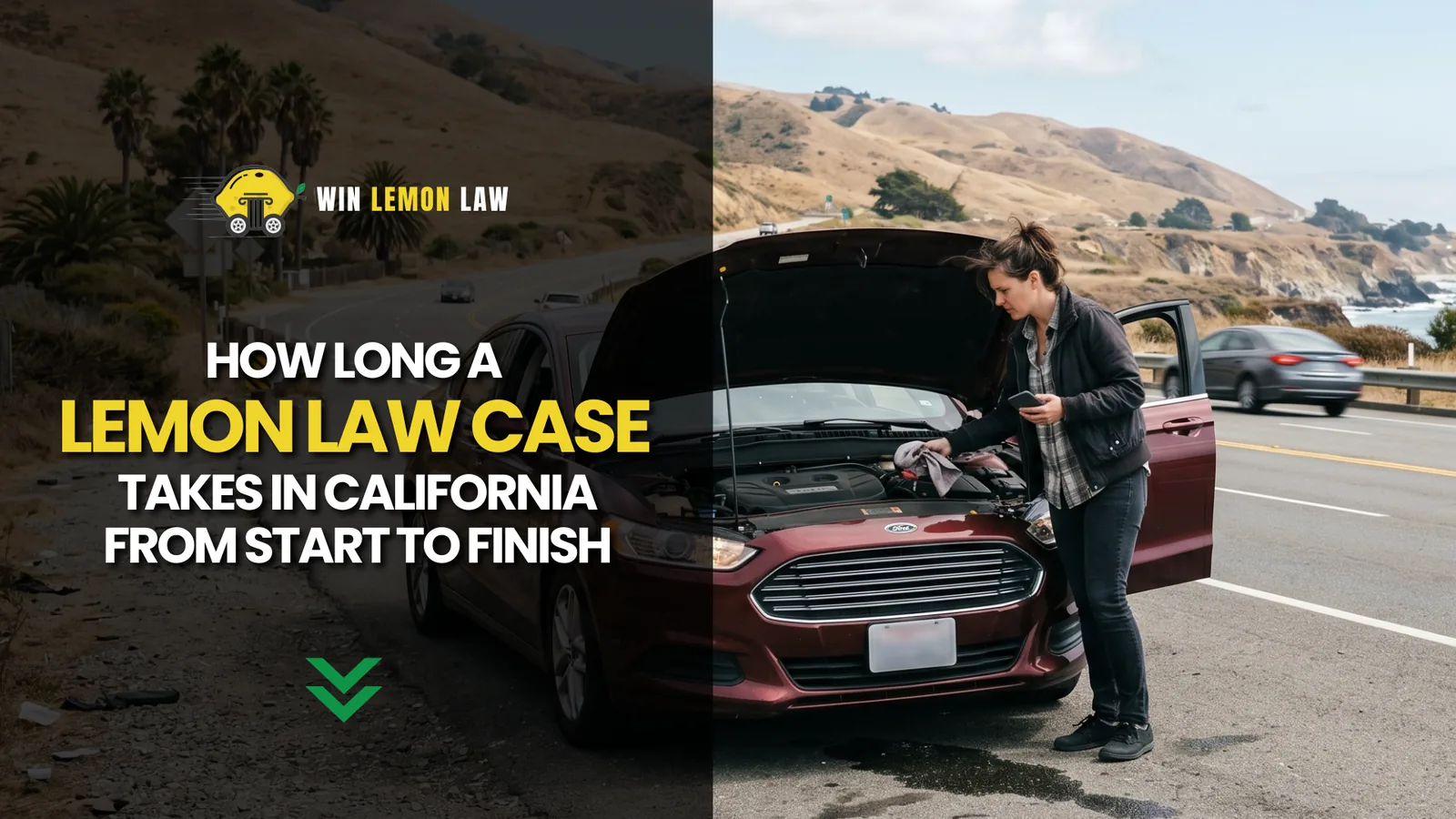
Tesla vehicles are known for advanced technology, software driven controls, and safety systems designed to assist drivers in real time. Features such as automatic emergency braking, lane keeping assistance, collision warnings, and adaptive cruise control are marketed as innovations that enhance safety and reduce risk. For many owners, these systems work as expected. For others, repeated safety system warnings appear without resolution, even after multiple service visits.
A growing number of Tesla owners report that safety related alerts return shortly after dealer fixes or software updates. These warnings may involve cameras, sensors, braking systems, or driver assistance features. While some alerts disappear temporarily, they often reappear days or weeks later, leaving owners unsure whether their vehicle is safe to drive.
When safety system warnings keep coming back despite repair attempts, California Lemon Law may provide important protections. Understanding why these issues occur and how the law applies can help owners determine when repeated fixes are no longer reasonable.
The Role of Safety Systems in Tesla Vehicles

Tesla safety systems rely heavily on cameras, sensors, radar in some models, and complex software logic. These systems continuously monitor driving conditions and vehicle behavior. When the system detects a potential issue, it alerts the driver through dashboard warnings or messages on the screen.
Common safety features include collision avoidance warnings, automatic emergency braking, lane departure alerts, lane keeping assistance, blind spot monitoring, and adaptive cruise control. Many of these systems are interconnected and rely on the same hardware and software framework.
Because of this integration, a fault in one area can trigger warnings across multiple systems. For example, a camera calibration issue may affect lane assistance and collision detection at the same time. When these systems malfunction, warning messages often appear repeatedly.
Common Tesla Safety System Warnings Reported by Owners
Tesla owners report a variety of recurring safety warnings. Some of the most common include alerts stating that certain safety features are unavailable, temporarily disabled, or require service. These messages may appear during normal driving or immediately after starting the vehicle.
Some owners experience repeated warnings related to camera obstruction or calibration, even when cameras appear clean and unobstructed. Others report braking system warnings that appear without noticeable changes in braking performance.
Lane keeping and adaptive cruise control warnings are also common. Drivers may see messages indicating that these features are unavailable or limited, even on clear roads and in good driving conditions. In some cases, warnings disappear on their own only to return later.
These recurring alerts can create uncertainty and distraction. When safety systems are unreliable, drivers may hesitate to rely on features that are designed to assist them.
Why Safety Warnings Often Return After Dealer Fixes
When a Tesla owner brings a vehicle in for service due to safety warnings, the repair process often involves software diagnostics, recalibration, or updates. In some cases, components such as cameras or sensors may be inspected or replaced.
While these steps may temporarily clear warning messages, they do not always address the root cause. Software updates may suppress alerts without fixing the underlying logic issue. Recalibrations may succeed briefly but fail again under certain conditions.
Because Tesla vehicles are heavily software driven, a system may appear functional during testing but fail during real world driving. This can lead to a cycle where the dealership declares the issue resolved, only for the warning to reappear shortly afterward.
From the owner’s perspective, the problem never truly goes away.
Software Updates and Safety System Behavior
Tesla frequently releases software updates intended to improve performance, address bugs, or adjust safety system behavior. While updates can be beneficial, they can also introduce new problems or fail to resolve existing ones.
Some owners report that safety warnings first appeared after a software update. Others find that updates temporarily remove warnings but cause them to return later. In some cases, new alerts appear that were not present before.
Because updates are installed remotely, owners may not immediately associate new issues with the software change. Over time, however, a pattern may emerge where warnings follow each update cycle.
Under California Lemon Law, software updates intended to fix defects are considered repair attempts. Repeated updates that do not provide a lasting solution may support a lemon law claim.
Intermittent Warnings and Diagnostic Challenges
One of the most frustrating aspects of recurring safety system warnings is their intermittent nature. A warning may appear one day and disappear the next. When the vehicle is brought in for service, the system may not display the warning at that moment.
Dealerships rely on diagnostic logs and fault codes to identify issues. If a warning does not leave a persistent code, technicians may conclude that no problem exists. Owners may be told that the system is operating normally or that the warning was temporary.
This creates a disconnect between the owner’s experience and the dealership’s findings. Even though the warning continues to reappear, the lack of consistent diagnostic evidence makes resolution difficult.
California Lemon Law recognizes that intermittent problems can still substantially impair a vehicle’s safety and reliability.
Safety Warnings and Substantial Impairment
Manufacturers sometimes argue that warning messages alone do not constitute a defect. However, safety system warnings can significantly affect a vehicle’s use and safety.
When warnings indicate that safety features are unavailable, drivers lose access to systems they relied on when purchasing the vehicle. Persistent alerts can also distract drivers or create confusion during critical moments.
In some cases, safety systems may deactivate entirely when warnings appear. This can leave the vehicle operating without features designed to assist with collision avoidance or lane control.
Under California Lemon Law, a defect does not need to cause a crash or total failure to qualify. If recurring safety warnings impair the vehicle’s safety or value and cannot be fixed within a reasonable number of attempts, lemon law protections may apply.
How California Lemon Law Treats Recurring Safety Defects
California Lemon Law focuses on whether a manufacturer has had a reasonable opportunity to repair a defect and failed to do so. The law does not require that the defect be present every day or that it results in catastrophic failure.
Recurring safety system warnings may qualify when they continue after multiple repair attempts and affect safety or reliability. Each visit for diagnostics, recalibration, or software updates counts as a repair attempt.
The law also considers how long the vehicle has been out of service due to repairs. Vehicles that spend thirty or more cumulative days in the repair shop for warranty related issues may qualify as lemons even if different defects are addressed during those visits.
The overall pattern of unresolved problems matters more than any single repair.
Documentation Is Essential for Safety System Cases
Because safety warnings can be intermittent, documentation is especially important. Owners should keep copies of all service records, even when the dealership states that no issue was found.
Repair orders should clearly describe the warning messages reported and note that the issue has returned after prior repairs. Vague descriptions make it easier for manufacturers to argue that problems are unrelated.
Owners should also document warnings when they appear. Photos or videos of alert messages on the screen can provide valuable evidence. Keeping a log of dates, driving conditions, and system behavior helps establish a pattern.
Clear documentation strengthens a lemon law claim by showing that the problem is ongoing and unresolved.
When Manufacturers Claim the Issue Is Resolved
Manufacturers often consider a repair successful if warning messages are cleared during service. However, temporary resolution does not equal a permanent fix.
If warnings reappear, the defect may still be present. California Lemon Law does not reset the repair count simply because a warning disappears temporarily.
Owners are not required to accept repeated assurances that the issue is fixed when evidence shows otherwise.
What Tesla Owners Should Do When Warnings Keep Returning
When safety system warnings return, owners should schedule service promptly and clearly state that the issue has reappeared after previous repairs. Ask that this be documented in writing.
Avoid minimizing symptoms or accepting informal explanations without documentation. If the warning affects braking, steering, or collision avoidance, emphasize safety concerns.
Continue tracking repair visits and time out of service. If warnings persist despite multiple attempts, consulting a California Lemon Law attorney can help clarify whether the vehicle qualifies for legal relief.
Frequently Asked Questions About Tesla Safety Warnings and Lemon Law
Do safety warnings have to be present all the time to qualify
No. Intermittent warnings can qualify if they affect safety and continue after reasonable repair attempts.
Do software updates count as repair attempts
Yes. Software updates intended to address safety warnings are considered repair attempts under California Lemon Law.
What if the dealer says no problem found
Repeated no problem found visits do not eliminate lemon law eligibility when warnings keep returning.
Can a vehicle qualify even if it still drives normally
Yes. A vehicle does not need to be completely inoperable if safety or reliability is substantially impaired.
How many repair attempts are considered reasonable
There is no fixed number. The law looks at the nature of the defect and whether the manufacturer failed to fix it within a reasonable timeframe.
Why Reappearing Safety Warnings Are Strong Lemon Law Cases
Cases involving recurring safety warnings often demonstrate a clear pattern of unresolved defects. The manufacturer is aware of the issue, attempts repairs, and fails to provide a lasting solution.
Safety systems are critical to modern vehicles. When they cannot be relied upon, the vehicle no longer performs as promised. California Lemon Law exists to prevent consumers from being stuck with vehicles that repeatedly fail in this way.
How Win Lemon Law Helps Tesla Owners With Safety System Issues
At Win Lemon Law, we help California consumers whose vehicles continue to experience unresolved safety system problems. We understand how Tesla documents software repairs and how recurring warnings can be minimized by manufacturers.
Our team reviews repair histories, identifies patterns, and evaluates whether the legal standard for lemon law relief has been met. We handle communication with the manufacturer and pursue appropriate remedies under California law.
Possible outcomes may include a buyback, replacement vehicle, or financial compensation. California Lemon Law generally requires manufacturers to pay attorney fees and costs in successful cases.
Contact Win Lemon Law for Help With Tesla Safety System Warnings
If your Tesla continues to display safety system warnings that reappear after dealer fixes, you may have rights under California Lemon Law. You do not have to continue accepting repeated repairs without a permanent solution.
The experienced California lemon law attorneys at Win Lemon Law can review your repair records, explain your options clearly, and help you determine whether your vehicle qualifies for relief.
Contact Win Lemon Law today for a free case evaluation.
Think you have a lemon?
Get a free case review — we only get paid if you win.
Related articles
When a Manufacturer Claims the Problem Is Fixed but It Keeps Coming Back
For many California vehicle owners, one of the most frustrating moments in the repair process comes after the dealership says
Read more February 10, 2026Can a Manufacturer Reverse a Buyback Decision
When a vehicle manufacturer agrees to a lemon law buyback, many California consumers assume the matter is settled. After weeks
Read more February 5, 2026Nissan Rogue Years to Avoid: Common Defects, Recalls, and Reliability Issues
The Nissan Rogue has long been a popular choice among compact SUV buyers, offering a comfortable ride, good fuel economy,
Read more