Subaru CVT Transmission Hesitation and Reliability Issues in Newer Models
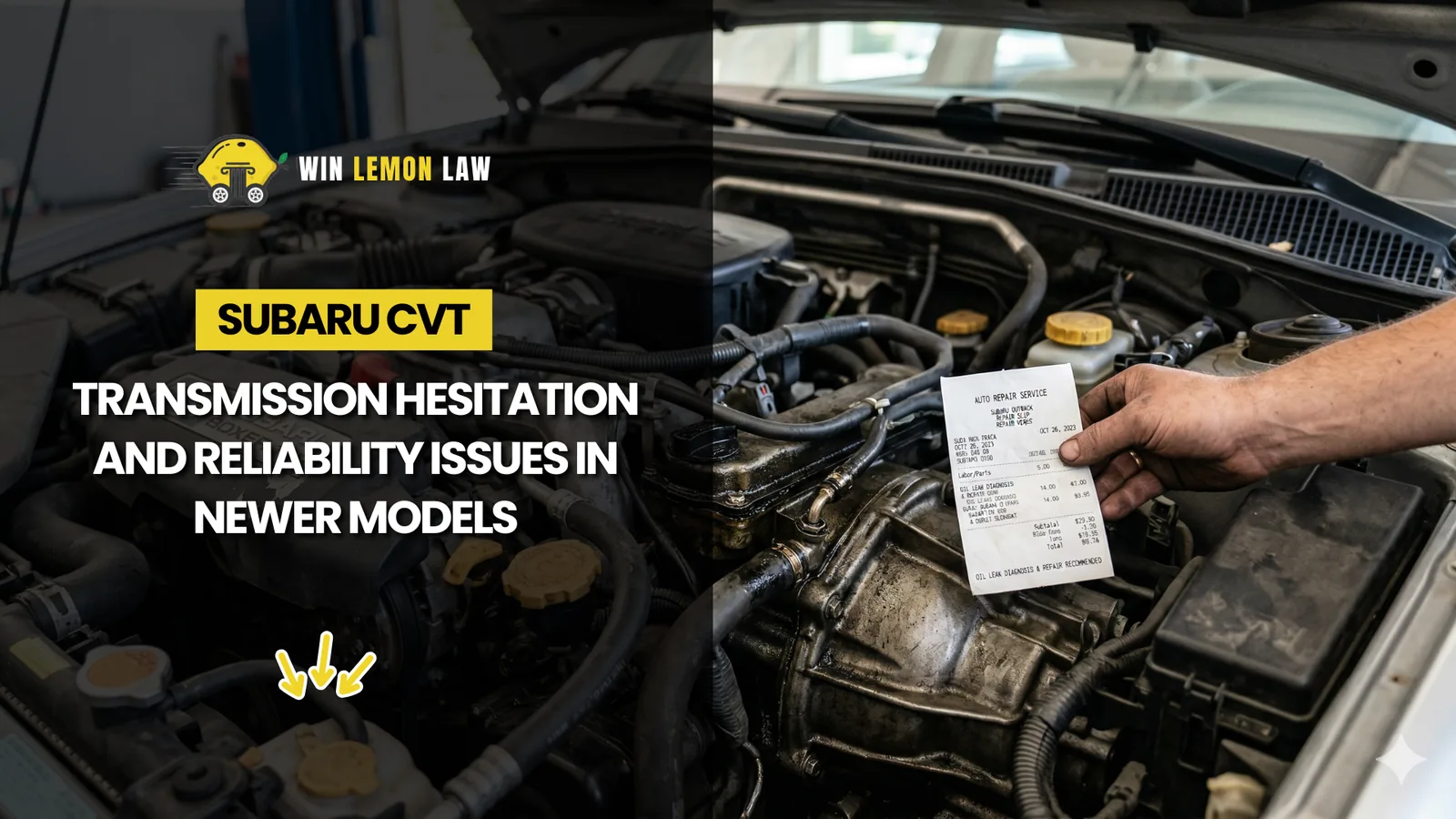

Subaru vehicles are known for their all wheel drive capability, practicality, and reputation for reliability. Many drivers choose Subaru expecting consistent performance across different driving conditions and long term dependability. However, a growing number of owners have reported ongoing concerns related to continuously variable transmissions, commonly referred to as CVT systems.
These issues often appear as hesitation, delayed acceleration, shuddering, or inconsistent power delivery. While some of these symptoms may initially seem minor or characteristic of CVT design, they can become more pronounced over time and may persist even after dealership service visits.
For drivers who experience these problems repeatedly, the concern often shifts from inconvenience to reliability. When a transmission does not respond consistently or predictably, it can affect daily driving and overall confidence in the vehicle. In California, when these issues continue despite repair attempts, they may raise questions about eligibility under Lemon Law.
Understanding how CVT related problems develop and why they may not be fully resolved is an important step in determining whether a Subaru vehicle may qualify for relief.
How Driving Behavior Changes With Transmission Hesitation
One of the first noticeable effects of CVT hesitation is how it changes the way a driver interacts with the vehicle. Instead of a predictable response when pressing the accelerator, drivers may experience a delay before the vehicle begins to move.
This delay can lead drivers to press the accelerator harder than intended, which may then result in sudden or uneven acceleration. Over time, this creates a pattern of inconsistent driving behavior that can feel unnatural.
Drivers may begin adjusting their habits, anticipating delays or compensating for inconsistent power delivery. While this may temporarily help manage the issue, it highlights that the vehicle is not responding as expected.
The Difference Between Normal CVT Feel and Defective Behavior
CVT transmissions are designed to operate differently from traditional automatic transmissions. Instead of shifting between fixed gears, they adjust continuously to maintain optimal engine performance.
Because of this design, some variation in engine sound and acceleration feel is expected. However, there is a clear difference between normal operation and problematic behavior.
Normal CVT performance should still feel smooth and predictable. When hesitation, shuddering, or delayed response becomes frequent or disruptive, it may indicate that the transmission is not functioning properly.
Understanding this distinction is important, as drivers are sometimes told that unusual behavior is normal when it may not be.
Situations Where Hesitation Becomes Most Noticeable

Transmission hesitation is often most noticeable in everyday driving situations that require quick and reliable response. For example, accelerating from a complete stop at an intersection may highlight delays in power delivery.
Merging onto highways or navigating busy roads can also make hesitation more apparent. In these situations, drivers rely on consistent acceleration to safely enter traffic.
Stop and go driving conditions may further expose issues such as shuddering or uneven power delivery. These repeated experiences can make the problem more noticeable over time.
Why Some Vehicles Feel Inconsistent From Day to Day
Many Subaru owners report that CVT related issues do not occur consistently. The vehicle may perform normally one day and exhibit hesitation or shuddering the next.
This inconsistency can make it difficult to identify patterns and can lead drivers to question whether the issue is serious. It can also complicate dealership diagnosis, as the problem may not be present during inspection.
Factors such as temperature, driving conditions, and vehicle load may influence how the transmission behaves. However, ongoing inconsistency is not expected in a properly functioning system.
The Role of Internal Components in Performance Issues
CVT systems rely on precise coordination between internal components such as belts, pulleys, and hydraulic systems. These components must operate smoothly to provide consistent performance.
If any part of the system does not function correctly, it can affect how power is delivered. Even minor irregularities can lead to noticeable hesitation or vibration.
Because these components are part of a complex system, identifying the exact source of the problem can be challenging. Repairs may address one aspect of the system while leaving other issues unresolved.
Why Some Repairs Improve the Problem Only Temporarily
Dealerships often attempt to address CVT issues through recalibration, software updates, or component replacement. These repairs may temporarily improve performance.
However, many drivers report that symptoms return after a period of time. Hesitation may reappear, or the vehicle may begin to exhibit similar behavior under certain conditions.
This pattern suggests that the underlying issue has not been fully resolved. Temporary improvements can create the impression that the problem has been fixed, even though it continues to develop.
The Connection Between Heat and Transmission Performance
Temperature can play a role in how CVT systems behave. Some drivers report that hesitation or performance issues become more noticeable after extended driving or in warmer conditions.
Heat can affect how transmission components operate, particularly in systems that rely on fluid dynamics. Changes in temperature may influence how smoothly the system responds.
While variations in performance may occur under extreme conditions, consistent issues related to temperature may indicate a deeper problem.
How Ongoing Issues Affect Driver Confidence
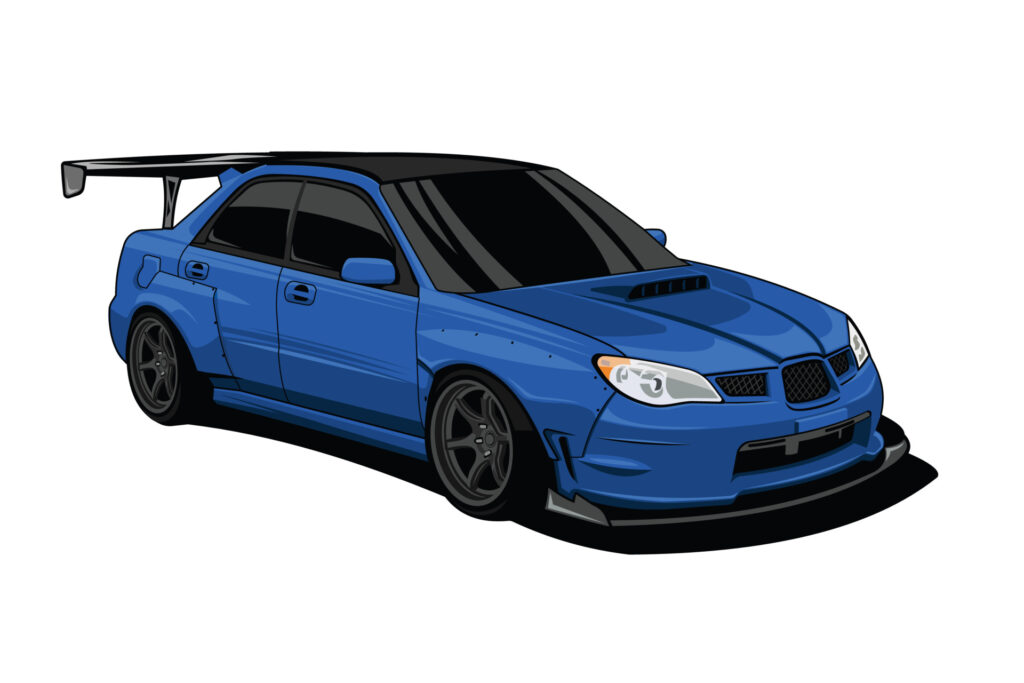
When a vehicle does not respond consistently, it can reduce driver confidence. Hesitation during acceleration or unpredictable power delivery can make drivers feel uncertain about how the vehicle will behave.
This lack of confidence can influence driving decisions and overall satisfaction with the vehicle. Drivers may become more cautious or avoid certain driving situations.
Over time, this impact on confidence reflects a broader issue with the vehicle’s reliability.
When Repeated Service Visits Point to a Larger Problem
A key factor in evaluating CVT related issues is the pattern of service visits. If a vehicle is brought to the dealership multiple times for similar concerns and the problem continues, it may indicate a deeper defect.
Repeated attempts to address hesitation or performance issues without a lasting solution suggest that the transmission is not functioning as intended.
This pattern is important when considering whether the vehicle may qualify under California Lemon Law.
The Effect on Long Term Vehicle Value
Transmission issues can have a significant impact on a vehicle’s long term value. Potential buyers may be hesitant to purchase a vehicle with a history of performance concerns.
Even if repairs have been attempted, recurring issues can raise questions about reliability. This can affect resale value and overall ownership experience.
California Lemon Law considers the impact of defects on both use and value when evaluating claims.
How Driving Conditions Can Reveal Hidden Transmission Problems
Certain driving environments can make CVT issues more noticeable even if they are not obvious during routine driving. Conditions such as steep inclines, heavy traffic, or frequent stop and start movement place additional demands on the transmission.
Under these conditions, hesitation and delayed response may become more pronounced. Drivers may notice that the vehicle struggles to maintain consistent power delivery when climbing hills or accelerating repeatedly in traffic.
These situations often reveal underlying issues that may not be as noticeable during steady highway driving. The fact that the problem becomes more apparent under normal real world conditions reinforces that the transmission is not performing as expected.
Why Repeated Hesitation Issues Should Not Be Considered Normal Wear
Some drivers are told that transmission hesitation is simply part of how CVT systems operate or that it develops over time as part of normal use. While minor changes in performance may occur with mileage, consistent hesitation and unpredictable behavior are not typical of a properly functioning vehicle.
Modern vehicles are designed to provide reliable and consistent performance throughout their expected lifespan. When a transmission repeatedly fails to respond properly, it goes beyond normal wear.
Accepting these issues as normal can delay proper evaluation and prolong the problem. Recognizing that repeated hesitation is not expected can help drivers take appropriate action sooner.
When Transmission Problems Meet Lemon Law Standards
California Lemon Law applies when a vehicle has a defect that substantially impairs its use, value, or safety and cannot be repaired after a reasonable number of attempts.
CVT related issues can meet this standard when they affect how the vehicle accelerates, responds, or performs during normal driving.
Even if the vehicle remains operational, inconsistent transmission behavior can significantly impact its usability.
Why These Cases Are Increasing in Modern Vehicles
As vehicles become more technologically advanced, the systems that control performance have become more complex. CVT transmissions are part of this trend, offering efficiency but also introducing new challenges.
Drivers are more likely to experience issues related to system calibration, component interaction, and performance consistency. These issues may not always be resolved through traditional repair methods.
This shift has led to an increase in Lemon Law claims involving modern transmission systems.
How Win Lemon Law Helps Subaru Owners With CVT Issues
At Win Lemon Law, we help California drivers who are dealing with vehicles that do not stay fixed. Our team understands how CVT transmission issues are evaluated and how manufacturers respond to recurring problems.
We review repair histories, identify patterns of repeated issues, and determine whether the vehicle meets the legal standard under California Lemon Law.
If the case qualifies, potential outcomes may include a vehicle buyback, replacement vehicle, or financial compensation.
California Lemon Law generally requires manufacturers to pay attorney fees and costs in successful cases, allowing consumers to pursue their claims without additional financial burden.
Contact Win Lemon Law for Help With Subaru CVT Problems
If your Subaru continues to experience hesitation, shuddering, or inconsistent transmission performance that does not stay fixed, you may have rights under California Lemon Law.
Ongoing transmission issues can affect reliability, safety, and overall driving confidence. You should not have to deal with a vehicle that does not perform as expected.
The experienced California Lemon Law attorneys at Win Lemon Law can review your repair history, explain your options clearly, and help determine whether your vehicle qualifies for relief.
Contact Win Lemon Law today for a free case evaluation.
Think you have a lemon?
Get a free case review — we only get paid if you win.
Related articles
When a Vehicle Is Still Drivable but Legally a Lemon in California
Many vehicle owners assume that a car must completely break down before it qualifies as a lemon. This belief is
Read more April 23, 2026Mercedes-Benz Suspension and Air Ride Failures in Newer Models
Mercedes-Benz vehicles are known for their smooth ride quality, luxury feel, and advanced engineering. One of the key features that
Read more April 21, 2026Can Multiple Minor Defects Together Qualify a Vehicle as a Lemon in California
Many California drivers assume that a vehicle must suffer from a single major failure to qualify under Lemon Law. Issues
Read more